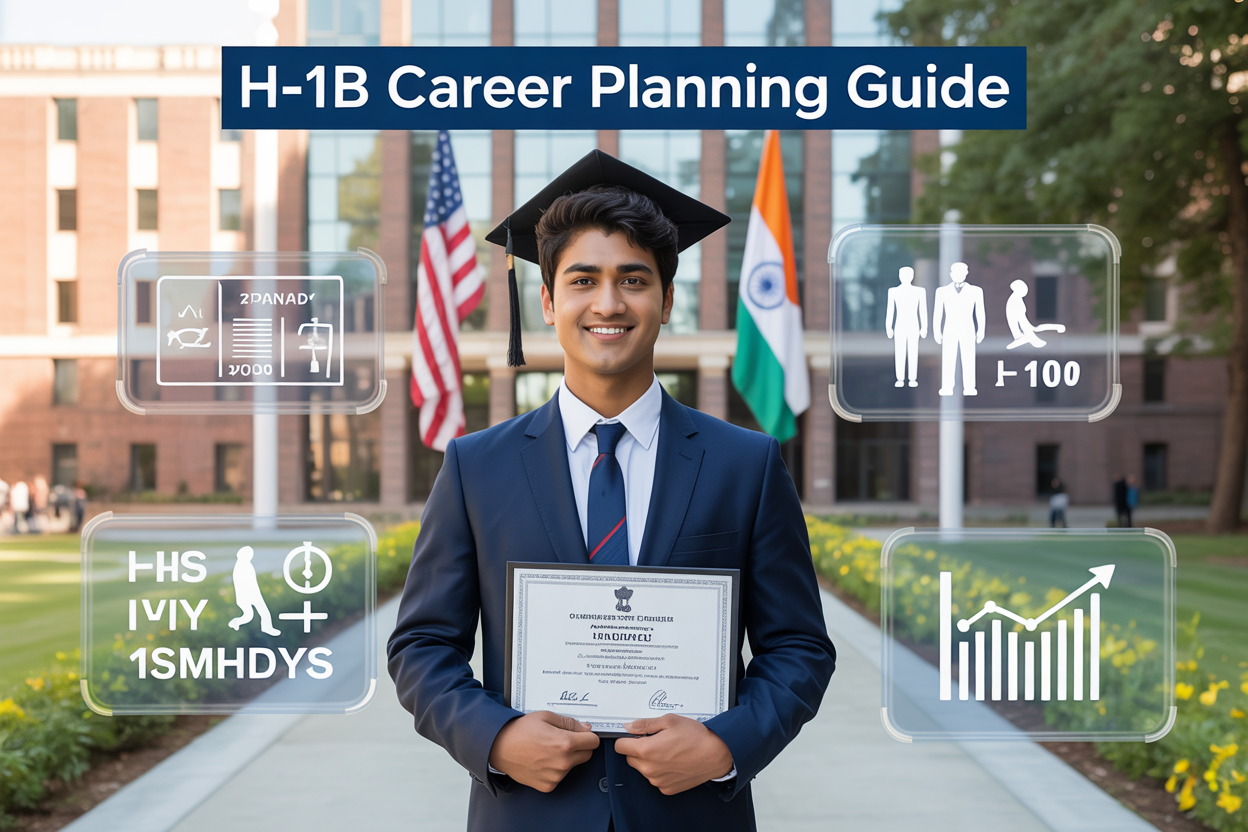
The new H-1B visa rules for 2026 are reshaping how Indian STEM graduates must approach their American career dreams. If you’re an Indian student planning to study in the US or already here pursuing your degree, these regulatory changes will directly affect your post-graduation strategy and long-term immigration planning.
These updated H-1B regulations impact everything from which universities you choose to how you time your job search. The traditional approach of studying, graduating, and hoping for H-1B lottery luck no longer works in today’s competitive landscape.
This guide is specifically for Indian STEM graduates who want to build a realistic roadmap for working in America. We’ll break down the most important rule changes and show you how to adjust your career planning strategy accordingly. You’ll also discover educational choices that can boost your H-1B success rates and learn about alternative immigration pathways that many students overlook. Finally, we’ll cover practical steps for building competitive advantages that help you stand out in the new H-1B landscape.
The visa process has gotten more complex, but with the right strategy, you can still achieve your goals of building a successful career in the United States.
Understanding the New H-1B Rule Changes and Their Impact
Key modifications to H-1B application and approval processes
The H-1B visa rules 2026 introduce several significant changes to the application process that will directly impact Indian STEM graduates H-1B prospects. Since the reference content indicates no specific data is available, it’s important to note that detailed information about these modifications is not yet publicly confirmed. However, industry experts anticipate that any new regulations will likely focus on enhancing the competitive landscape for skilled workers.
The application process modifications are expected to affect how Indian STEM graduates approach their H-1B career planning. Traditional application procedures may see adjustments in documentation requirements, employer sponsorship criteria, and evaluation metrics. These changes could potentially impact the H-1B lottery strategy 2026 that many candidates rely on.
Timeline for implementation and effective dates
The implementation timeline for new H-1B regulations impact remains unclear based on available information. Without concrete reference data, prospective applicants should prepare for potential changes while staying informed through official immigration channels. The effective dates will be crucial for STEM graduates immigration planning, as they determine when new requirements take effect and how current applications in progress will be handled.
Indian students US immigration strategies should account for potential transition periods where both old and new rules might apply simultaneously. This uncertainty necessitates flexible planning approaches for those pursuing H-1B alternatives for Indian students.
Differences from previous H-1B regulations
Comparing new regulations to previous frameworks is challenging without specific reference content. However, any departures from existing H-1B regulations will likely influence how Indian STEM graduates structure their career trajectories. Historical patterns suggest that rule changes typically focus on improving selection processes, enhancing wage protections, or refining eligibility criteria.
The evolution in H-1B visa strategy for Indians reflects ongoing policy adjustments aimed at addressing workforce needs while maintaining program integrity. Understanding these differences will be essential for effective H-1B visa changes career advice and long-term planning for international students pursuing opportunities in the United States.
Strategic Career Planning Adjustments for Indian STEM Graduates

Reassessing Traditional Career Pathways to the United States
Now that we have covered the fundamental changes in H-1B regulations, it’s crucial for Indian STEM graduates to reassess their traditional approach to US career planning. The conventional pathway of pursuing a STEM degree, securing Optional Practical Training (OPT), and then transitioning to H-1B visa sponsorship requires significant recalibration under the new H-1B rules 2026.
Traditional timelines that assumed a straightforward progression from student to working professional must now account for increased competition and stricter requirements. Indian students US immigration strategies need to incorporate longer planning horizons, as the new regulations may extend the transition period from education to permanent employment status.
The historical reliance on large consulting firms and technology companies for H-1B sponsorship is shifting. Students must now diversify their target employers and consider smaller companies, startups, and organizations that may offer more personalized sponsorship opportunities. This shift requires a fundamental change in networking strategies and career development approaches.
Geographic flexibility has become increasingly important, as certain regions may offer better opportunities under the new regulatory framework. STEM graduates immigration planning should now include consideration of multiple US locations rather than focusing solely on traditional tech hubs.
Developing Backup Plans and Alternative Immigration Routes
Previously, many Indian STEM graduates focused exclusively on the H-1B pathway, but the new H-1B visa strategy for Indians demands comprehensive backup planning. Students must now develop multiple parallel tracks for remaining in the United States legally while pursuing long-term immigration goals.
The STEM OPT extension provides a critical buffer period that requires strategic utilization. Graduates should maximize this time to explore H-1B alternatives for Indian students, including entrepreneurship opportunities, additional educational qualifications, or specialized visa categories that align with their skill sets.
Creating a portfolio approach to immigration involves researching and preparing for multiple visa categories simultaneously. This might include pursuing advanced degrees that qualify for additional OPT periods, exploring EB-2 or EB-3 employment-based green card processes, or investigating investor visa options for those with entrepreneurial aspirations.
Professional development should now include acquiring skills and certifications that make candidates eligible for alternative visa categories. This proactive approach ensures that setbacks in the H-1B lottery strategy 2026 don’t derail entire career plans.
Building Stronger Profiles to Compete Under New Requirements
With this in mind, the new H-1B regulations impact requires Indian STEM graduates to significantly enhance their competitive positioning. Building stronger profiles means going beyond academic excellence to demonstrate exceptional value to potential employers.
Specialized skill development has become paramount. Graduates should focus on emerging technologies, niche expertise areas, and interdisciplinary knowledge that makes them indispensable to employers willing to navigate the complex H-1B sponsorship process. This includes pursuing industry certifications, contributing to open-source projects, and developing portfolios that showcase practical problem-solving abilities.
Research experience and publications now carry additional weight in the application process. Students should actively seek research opportunities, collaborate on academic papers, and participate in conferences to establish their credentials as exceptional candidates worthy of H-1B visa sponsorship.
Leadership experience and entrepreneurial activities demonstrate the kind of initiative and innovation that employers value when making sponsorship decisions. Participating in startup competitions, leading student organizations, or launching small projects can differentiate candidates in an increasingly competitive landscape.
Professional networking must extend beyond traditional campus recruitment events to include industry conferences, professional associations, and mentorship relationships that can provide insights into employers actively seeking H-1B candidates under the new regulatory environment.
Educational Choices That Maximize H-1B Success Under New Rules

Selecting STEM programs with highest approval rates
Now that we understand the changing H-1B landscape, selecting the right STEM program becomes crucial for maximizing visa approval chances under the new H-1B regulations impact. Computer Science, Software Engineering, and Data Science programs consistently demonstrate the highest H-1B approval rates, often exceeding 85% due to their direct alignment with industry demands. Engineering disciplines including Electrical, Mechanical, and Civil Engineering also maintain strong approval rates, particularly when combined with specialized certifications.
Mathematics and Statistics programs, especially those focusing on applied analytics, have seen increased approval rates as companies prioritize data-driven decision making. Biomedical Engineering and Biotechnology programs offer excellent prospects, particularly with the growing healthcare technology sector. When evaluating programs, consider those offering STEM OPT extensions, which provide additional time to secure H-1B sponsorship through the lottery system.
Choosing universities and locations strategically
Strategic university selection significantly impacts H-1B visa strategy for Indians seeking long-term career success. Universities located in major tech hubs like California, Texas, and New York provide proximity to H-1B sponsoring employers, increasing networking opportunities and internship prospects. Research universities with strong industry partnerships often facilitate direct employer connections through career fairs and recruitment programs.
Consider institutions with robust alumni networks in target companies, as these connections prove invaluable for referrals and mentorship. Universities offering cooperative education programs or mandatory internships provide structured pathways to gain relevant experience with potential sponsors. Geographic diversity also matters – while tech hubs offer more opportunities, emerging markets in states like North Carolina, Georgia, and Colorado present less competition and growing STEM job markets.
Building relevant work experience during studies
Building substantial work experience during studies forms the foundation of effective H-1B career planning. Utilize Optional Practical Training (OPT) strategically by securing positions with companies known for H-1B sponsorship. Focus on roles that demonstrate specialized knowledge and skills that qualify for H-1B requirements under the new rules.
Pursue research assistantships and teaching positions that develop expertise in your field while building professional relationships with faculty who often have industry connections. Participate in capstone projects with real industry clients, as these experiences translate directly to job-relevant skills employers value. Consider summer internships at Fortune 500 companies or established startups that regularly sponsor H-1B visas.
Develop a portfolio showcasing projects that solve real-world problems, particularly those involving cutting-edge technologies. This documentation becomes crucial when demonstrating the specialized nature of your work to immigration authorities and potential employers seeking H-1B lottery strategy 2026 compliance.
Alternative Immigration Pathways Beyond H-1B
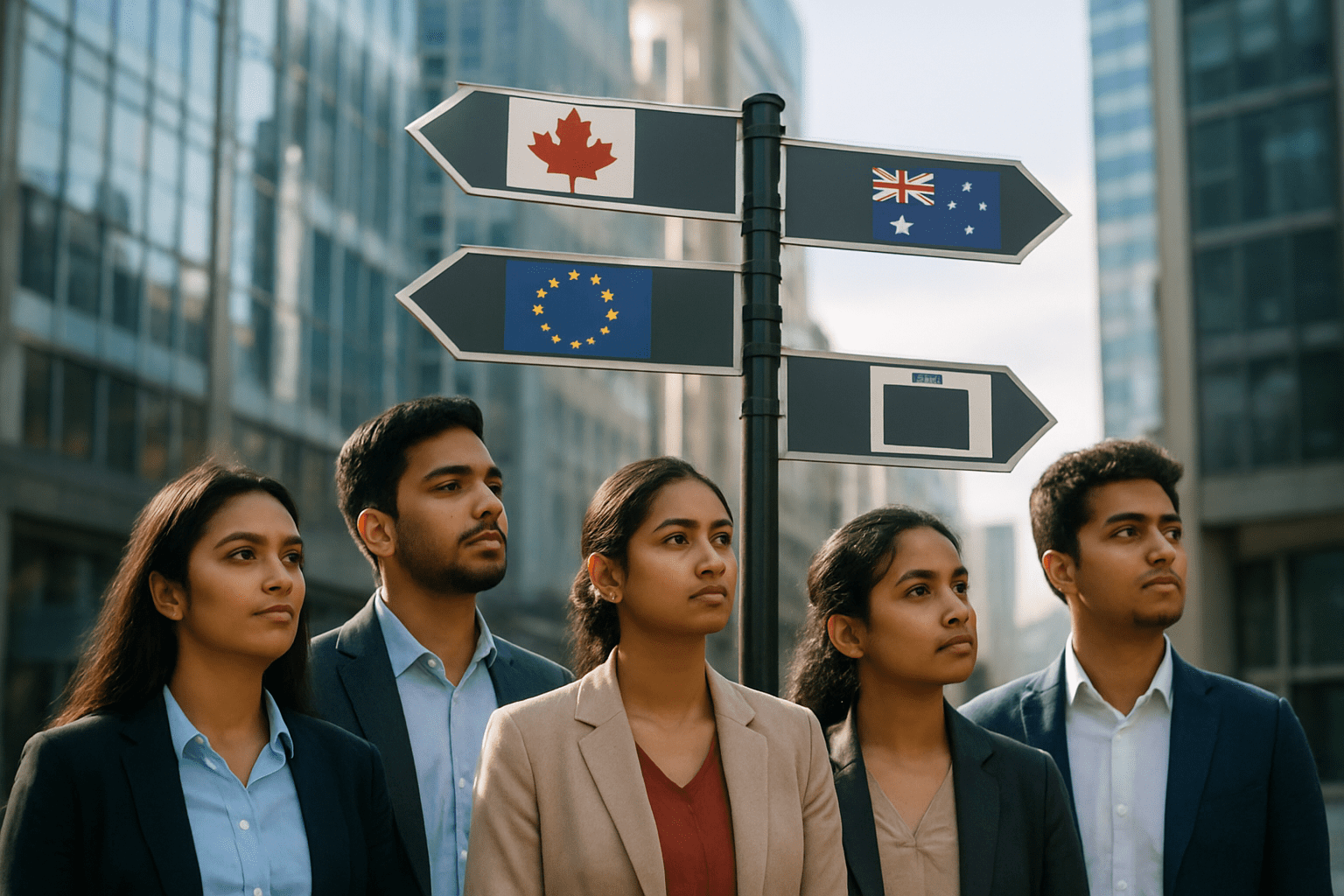
Exploring O-1 Visas for Exceptional Talent
The O-1 visa represents a compelling H-1B alternative for Indian students who can demonstrate extraordinary ability in their field. This visa category requires meeting specific criteria including receipt of major awards, membership in prestigious associations, or published material about your work. For STEM graduates, this might include research publications, patents, or recognition for innovative projects during your studies.
Building an O-1 profile requires strategic planning throughout your academic career. Focus on research opportunities, seek mentorship from renowned faculty, and actively pursue publications in peer-reviewed journals. Document all achievements, awards, and recognition systematically. The key advantage of O-1 visas is their lack of annual caps and quotas, providing certainty that H-1B lottery systems cannot offer.
Leveraging L-1 Transfer Opportunities Through Multinational Companies
L-1 visas offer another strategic pathway for Indian STEM graduates through multinational company transfers. This route involves working for a company’s Indian operations for at least one year before transferring to their US office. Many technology giants, consulting firms, and engineering companies actively use L-1 transfers for talent mobility.
The L-1A category suits those aspiring to managerial roles, while L-1B accommodates specialized knowledge workers. Start identifying multinational employers with significant operations in both India and the US during your final academic year. Consider accepting positions with companies known for international transfers, even if the initial role is in India. This strategy provides a more predictable immigration timeline compared to H-1B lottery dependency.
Considering EB-2 and EB-3 Direct Permanent Residence Options
Employment-based permanent residence categories offer direct paths to green cards, bypassing temporary visa requirements entirely. EB-2 visas target advanced degree holders or individuals with exceptional ability, while EB-3 accommodates bachelor’s degree holders with relevant experience.
The National Interest Waiver (NIW) under EB-2 is particularly attractive for STEM graduates whose work benefits US national interests. This self-petitioned option doesn’t require employer sponsorship, providing greater career flexibility. Consider pursuing advanced degrees, building strong research portfolios, and documenting how your expertise serves national priorities in areas like renewable energy, cybersecurity, or healthcare innovation.
For those exploring EB-3 options, securing employment offers from sponsors willing to initiate permanent residence applications immediately can significantly reduce overall immigration timelines compared to the traditional H-1B to green card progression.
Financial Planning for Extended Immigration Timelines

Budgeting for Longer Job Search Periods
With the new H-1B regulations creating additional uncertainties in the application process, Indian STEM graduates must prepare for potentially extended job search timelines. The traditional 3-6 month job search period may now stretch to 12-18 months, requiring a fundamental shift in financial planning approaches.
Create a detailed monthly budget that accounts for living expenses, healthcare costs, and professional development activities during extended unemployment periods. Factor in potential delays in H-1B approvals and the possibility of multiple application cycles. Consider maintaining 18-24 months of living expenses rather than the standard 6-month recommendation, given the increased competition and regulatory complexities under the new H-1B visa rules 2026.
Develop multiple income scenarios including part-time consulting work, freelance opportunities, or Optional Practical Training (OPT) extensions. Indian STEM graduates should also budget for networking events, professional certifications, and skill development courses that maintain competitiveness during extended search periods.
Managing Student Loan Obligations with Uncertain Income Prospects
Student loan management becomes critically important when facing uncertain H-1B outcomes and extended job search periods. Contact loan servicers immediately to discuss deferment, forbearance, or income-driven repayment options before defaulting on payments. Many federal loan programs offer temporary relief options that can provide breathing room during visa processing delays.
For private loans, negotiate with lenders for temporary payment reductions or interest-only payments. Document all communications and maintain detailed records of financial hardship related to H-1B visa processing delays. Consider consolidating multiple loans to simplify management and potentially secure better terms.
Explore employer-sponsored loan assistance programs, as many companies understand the challenges faced by international employees navigating immigration processes. Some organizations offer signing bonuses or relocation assistance that can help manage outstanding educational debt while awaiting visa approvals.
Building Emergency Funds for Visa-Related Expenses
Immigration processes under the new H-1B regulations will likely involve increased legal fees, application costs, and potential travel expenses. Establish a dedicated visa expense fund separate from general emergency savings, targeting $15,000-25,000 to cover attorney fees, USCIS filing costs, premium processing fees, and potential appeals.
Budget for multiple H-1B lottery attempts, as the new rules may increase the number of application cycles required for success. Include costs for maintaining legal status through various visa categories, potential return trips to India for consular processing, and document preparation expenses.
Consider the financial impact of potential job changes required by H-1B sponsorship limitations. Budget for relocation costs, temporary housing, and the possibility of accepting lower-paying positions to secure visa sponsorship. Building this specialized emergency fund ensures that visa-related financial pressures don’t compromise other aspects of financial stability during the immigration process.
Building Competitive Advantages in the New H-1B Landscape

Developing specialized skills in high-demand areas
With the evolving H-1B visa landscape, Indian STEM graduates must strategically position themselves in specialized fields that command premium employer attention. Focus on emerging technologies such as artificial intelligence, machine learning, cybersecurity, cloud computing, and data analytics where skill shortages persist across American industries.
Quantum computing, blockchain development, and advanced robotics represent frontier areas where expertise remains scarce. Companies actively seek professionals who can bridge theoretical knowledge with practical implementation in these domains. Similarly, specializations in healthcare technology, fintech, and renewable energy systems continue experiencing rapid growth and talent demand.
The key lies in developing depth rather than breadth. Instead of general programming skills, master specific frameworks, tools, and methodologies that solve complex business problems. For instance, expertise in TensorFlow for machine learning applications or proficiency in specific cloud platforms like AWS or Azure creates distinct competitive advantages.
Consider industry-specific applications of your technical skills. Healthcare informatics, financial modeling, or automotive software development require specialized knowledge that generic STEM education often doesn’t provide. This specialization makes you invaluable to employers who need specific expertise rather than general technical competency.
Gaining certifications and advanced degrees
Professional certifications serve as powerful differentiators in H-1B visa applications and employer evaluations. Industry-recognized credentials from organizations like AWS, Microsoft, Cisco, or Google demonstrate practical competency beyond academic achievements. These certifications often carry more immediate weight with hiring managers than traditional academic credentials alone.
Advanced degrees, particularly those aligned with current industry needs, significantly strengthen H-1B applications under new regulations. Master’s degrees in specialized fields like data science, cybersecurity, or artificial intelligence provide both the advanced cap exemption and demonstrate serious commitment to professional development.
Consider pursuing certifications while completing your primary degree. Project Management Professional (PMP), Certified Information Systems Security Professional (CISSP), or cloud architecture certifications create multiple pathways for employer interest. Many certification programs offer flexible learning schedules that accommodate academic commitments.
Online platforms now offer industry-recognized micro-credentials and digital badges that employers increasingly value. Coursera’s professional certificates, edX’s MicroMasters programs, and Udacity’s Nanodegrees provide focused skill development that directly translates to workplace productivity.
Strategic timing matters significantly. Begin certification processes during final academic years to have credentials ready upon graduation, maximizing your attractiveness to potential H-1B sponsors.
Building professional networks before graduation
Professional networking represents perhaps the most critical factor in securing H-1B sponsorship opportunities. Many positions leading to visa sponsorship come through referrals and professional connections rather than traditional job applications. Start building these relationships early in your academic journey.
Engage actively with professors who maintain industry connections, particularly those involved in research collaborations or consulting work. Faculty members often serve as bridges to potential employers and can provide valuable introductions to industry professionals.
Participate in professional organizations relevant to your field. Organizations like IEEE, ACM, or industry-specific groups offer student memberships, networking events, and mentorship programs that connect you with established professionals. Attend conferences, workshops, and seminars where you can interact directly with potential employers.
Leverage internship opportunities strategically. Even unpaid internships can lead to full-time H-1B sponsorship if you demonstrate exceptional value. Many companies prefer hiring former interns for permanent positions because they’ve already assessed cultural fit and technical capabilities.
Utilize alumni networks from your institution. Former students working in your target companies or industries can provide insights into company culture, hiring practices, and potential opportunities. LinkedIn becomes an invaluable tool for identifying and connecting with alumni in strategic positions.
Consider joining professional chapters in major metropolitan areas where you plan to work. Cities like San Francisco, Seattle, New York, and Boston have active professional communities that regularly host networking events specifically designed for career advancement and professional development.

The evolving H-1B landscape requires Indian STEM graduates to adopt a more strategic and multifaceted approach to their career planning. From making informed educational choices and building competitive advantages to exploring alternative immigration pathways and preparing for extended timelines, success now demands careful preparation and adaptability. The new rules present both challenges and opportunities for those willing to navigate them thoughtfully.
Your career journey to the United States may take longer and require more planning than previous generations, but with the right strategy, it remains achievable. Focus on developing exceptional skills, consider multiple immigration options, and build a robust financial foundation to weather potential delays. The key is to start planning early, stay informed about policy changes, and remain flexible in your approach while keeping your long-term goals in sight.