Why Germany: An Ideal Destination for Indian Students?
Key Advantages of Studying in Germany
Germany has emerged as one of the top study destinations for Indian students, offering a combination of academic excellence and affordability that's hard to match elsewhere.
Zero tuition fees at most public universities stands as perhaps the most compelling reason for Indian students to choose Germany. Unlike countries like the US, UK, or Australia where education costs can be prohibitive, most German public universities charge only a nominal semester contribution fee (€100-350) covering administrative costs and public transportation.
 This makes the cost of studying in Germany for Indian students significantly lower than other Western nations, even when considering living expenses.
Germany's universities consistently rank among the world's best, delivering world-class education and globally recognized degrees. The German education system's reputation for thoroughness and rigor means your degree will be respected by employers worldwide. The country's educational institutions maintain strong industry connections, ensuring curricula remain relevant to real-world needs.
For those wondering how to study in Germany after 12th or graduation, the country offers excellent programs in high-demand fields. German universities have a strong focus on in-demand disciplines like Engineering, Computer Science, Business & Management, and Healthcare – fields where Indian students traditionally excel. This alignment creates natural pathways for job opportunities in Germany after masters for Indian students.
Students enjoy a vibrant student life and global exposure in Germany's multicultural environment. University towns are lively, safe, and diverse, offering everything from cultural festivals to outdoor activities. You'll study alongside peers from around the world, building an international network that can serve you throughout your career.
Perhaps most importantly for career-minded students, Germany has a high demand for skilled professionals post-graduation. The country's strong economy and aging population have created talent gaps that international graduates can fill. The 18-month job-seeker visa after graduation gives students ample time to secure employment, making the step by step process to study in Germany from India a pathway to global career opportunities.
Understanding the German Higher Education System
When planning to study in Germany for Indian students, understanding the different types of institutions is crucial.
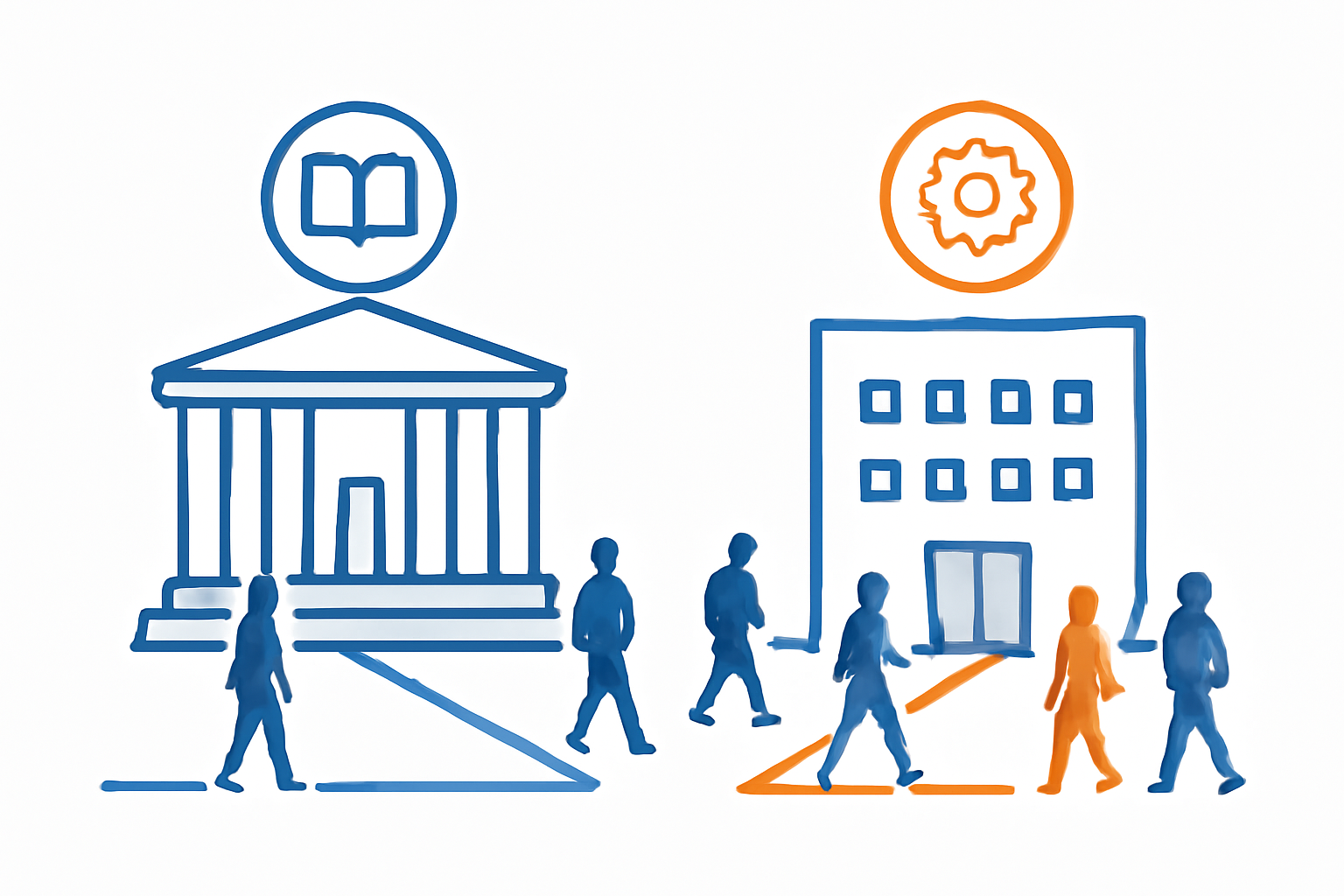
Universities (Universität) focus on academic and theoretical knowledge, emphasizing research-intensive programs. These institutions are ideal for students interested in fields like engineering, sciences, or humanities who plan to pursue research or academic careers.
Universities of Applied Sciences (Fachhochschule) concentrate on practical, career-oriented learning. These institutions typically offer programs in business, media, and IT-related fields, featuring industry internships and applied projects that prepare students for immediate workforce entry.
Language of instruction varies by program level. Most bachelors in Germany for Indian students are taught in German, requiring strong language proficiency. However, many masters in Germany for Indian students, particularly in science and business fields, are offered in English, making them more accessible to international applicants with limited German skills.
The German Academic Exchange Service (DAAD) portal serves as a comprehensive resource for prospective students. This platform allows you to search for accredited programs matching your interests, filter by language of instruction, and check specific study in Germany requirements for Indian students before applying.
Eligibility and Academic Preparation for Indian Students
Eligibility Criteria After 12th Grade (Undergraduate Programs)
Understanding the eligibility to study in Germany after 12th in India is crucial for your academic journey. Unlike many other countries, Germany's education system differs significantly from India's, creating unique challenges for Indian students.
Direct entry into German bachelor's programs isn't typically possible for students from CBSE, ICSE, or State Boards. This is because the German Abitur (their high school diploma) is considered equivalent to 12+1 years of education, while Indian school systems offer only 12 years.
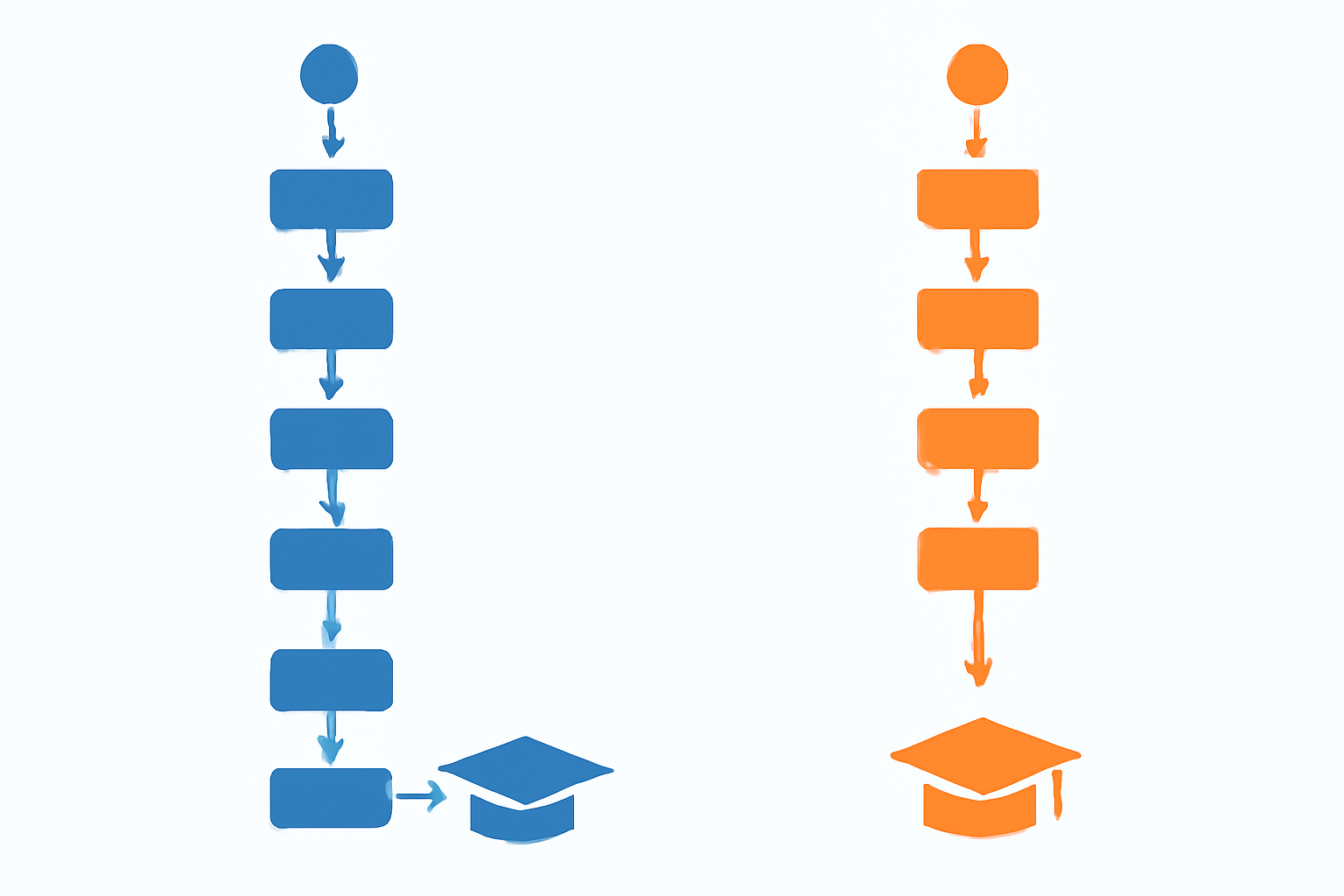
Most Indian students must complete a one-year foundation course called Studienkolleg before entering a German university. This preparatory year bridges educational gaps and ends with the Feststellungsprüfung (assessment exam), which determines university readiness. The Studienkolleg offers various specialized courses (Kurse) depending on your intended field of study, such as T-Kurs for technical subjects or W-Kurs for business studies.
Students with International Baccalaureate (IB) diplomas or A-Levels may qualify for direct university entry, as these qualifications are often recognized as equivalent to the Abitur. For verification, use the Anabin database, Germany's official portal for checking qualification recognition.
Some alternative pathways exist, including:
- Completing a diploma year in India
- Taking foundation courses at partner institutions
- Studying one year in an Indian university before applying to Germany
Eligibility Criteria After Graduation (Postgraduate Programs)
For those considering how to study in Germany after graduation, the requirements are more straightforward. You'll need:
- A 3 or 4-year bachelor's degree from a recognized university
- Strong academic performance with grades typically around 65-70% or higher (requirements vary by program and university)
- Relevant academic background matching your chosen master's program
While some competitive programs may require GRE or GMAT scores, many German universities don't mandate these standardized tests for admission, making Germany an attractive option compared to other study destinations.
German Language Proficiency Requirements
For study in Germany for Indian students, language proficiency is a key consideration. If you're heading to Studienkolleg, you'll need B1 to B2 level German proficiency—enough to understand and participate in classes taught entirely in German.
For bachelor's programs taught in German, C1 level proficiency is typically required. This advanced level ensures you can comprehend complex academic content and express yourself fluently.
Even if you're pursuing English-taught programs (more common at the master's level), basic German knowledge significantly enhances your daily life, helps with part-time jobs, and improves internship opportunities. Goethe-Institut branches across India offer internationally recognized German courses and certifications.
English Language Proficiency Requirements
For English-taught programs, which are increasingly common for masters in Germany for Indian students, you'll generally need:
- IELTS scores of 6.0-6.5, or
- TOEFL scores of 80-90
Some programs may have higher requirements, particularly in fields like business or international relations, so always check specific program guidelines when planning your step by step process to study in Germany from India.
The Application and Admission Process for German Universities
Choosing the Right Program and University
Germany stands out as a premier destination for Indian students seeking quality education at affordable costs. With over 400 universities offering more than 20,000 degree programs, finding the right fit requires careful consideration.
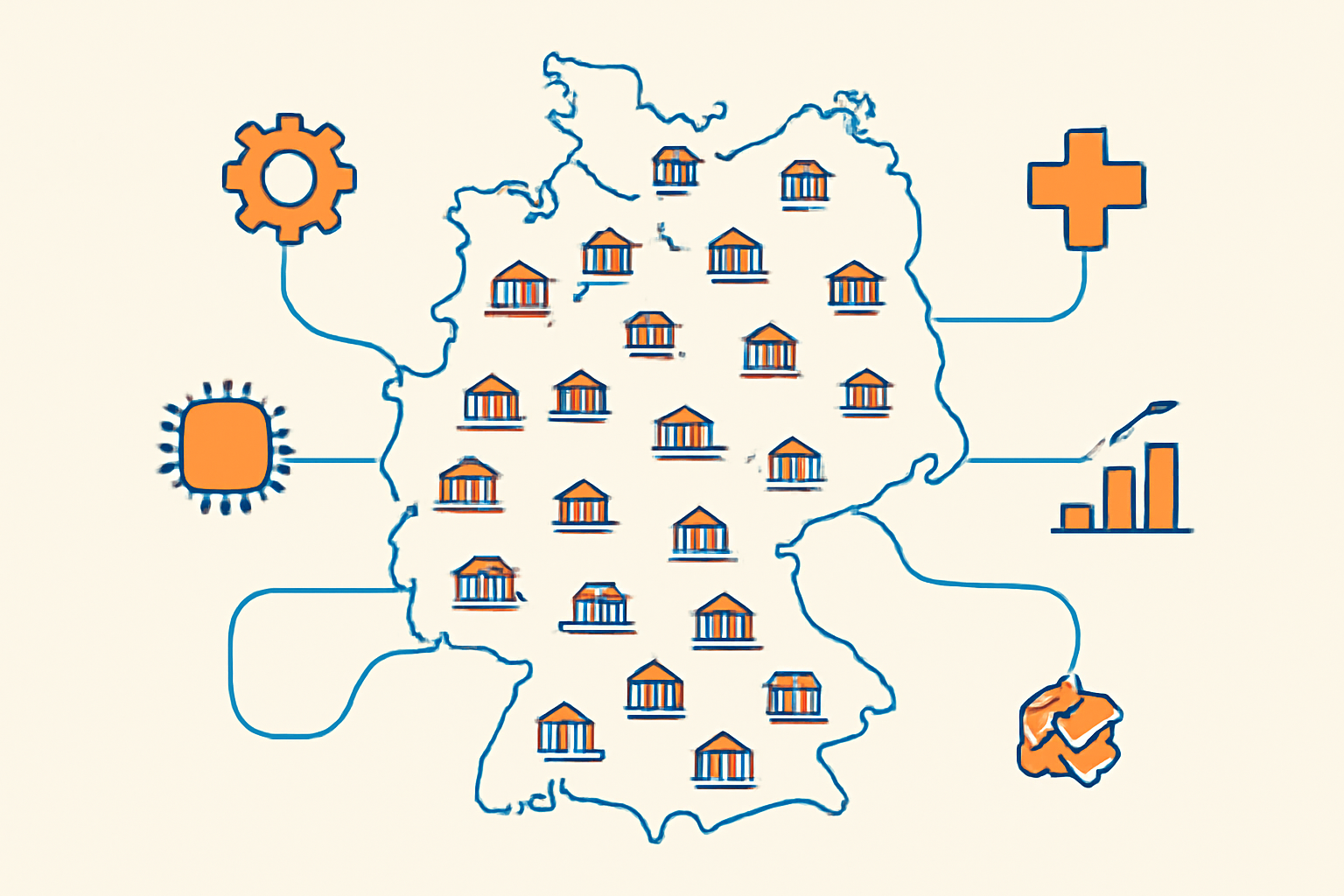
For undergraduate aspirants wondering how to study in Germany after 12th, the country offers diverse programs across disciplines. English-taught programs are increasingly available, though they're more common at the master's level. If you're comfortable with German, your options expand significantly.
Popular fields among Indian students include:
- Engineering (Mechanical, Electrical, Civil)
- Computer Science and IT
- Business Management and Economics
- Medicine and Healthcare
- Architecture and Design
- Natural Sciences
Technical Universities like RWTH Aachen, TU Munich, and TU Berlin are particularly renowned for engineering programs, while universities like Ludwig Maximilian University Munich and Heidelberg University excel in medical sciences.
To find suitable programs, use the DAAD (German Academic Exchange Service) database, which allows filtering by language of instruction, program type, and location. This is especially helpful for understanding eligibility to study in Germany after 12th in India or exploring masters in Germany for Indian students.
Application Methods and Deadlines
When applying to German universities, you'll typically use one of two methods:
-
Uni-Assist: This centralized platform handles applications for multiple universities, verifies documents, and forwards them to your chosen institutions. Most universities use this system for international applications.
-
Direct Application: Some universities maintain their own application portals, especially for certain master's programs.
Understanding application timelines is crucial for study in Germany from India step by step planning:
- Winter Semester (October start): Apply between December and April (depending on the university)
- Summer Semester (April start): Apply between July and October
Most Indian students prefer the winter intake due to more program options. Plan your application at least 6-8 months before your intended start date to accommodate document preparation, visa processing, and blocked account setup.
Essential Application Documents
Preparing the right documents is critical to meet study in Germany requirements for Indian students:
- Academic records (10th and 12th mark sheets for undergraduate; bachelor's degree certificates for postgraduate)
- All documents translated into German or English by certified translators
- Valid passport with at least 1-year validity
- Compelling Statement of Purpose explaining your motivation
- 2-3 Letters of Recommendation from teachers/professors
- Language proficiency proof (German: TestDaF or DSH; English: IELTS/TOEFL)
- Recent passport photographs (biometric format)
- CV/Resume (especially important for master's applications)
- Proof of application fee payment
For bachelors in Germany for Indian students, additional requirements may include portfolios for design programs or entrance exams for certain fields. Check each university's specific requirements as they can vary significantly.
Germany Student Visa Application and Financial Planning
Proof of Funds: The Blocked Account Requirement
When planning to study in Germany from India, you'll need to demonstrate financial capability through a Blocked Account (Sperrkonto). This isn't just a suggestion—it's a mandatory requirement for your student visa application.
As of 2025, students must deposit at least €11,208 (approximately ₹10 lakhs) into this special account.
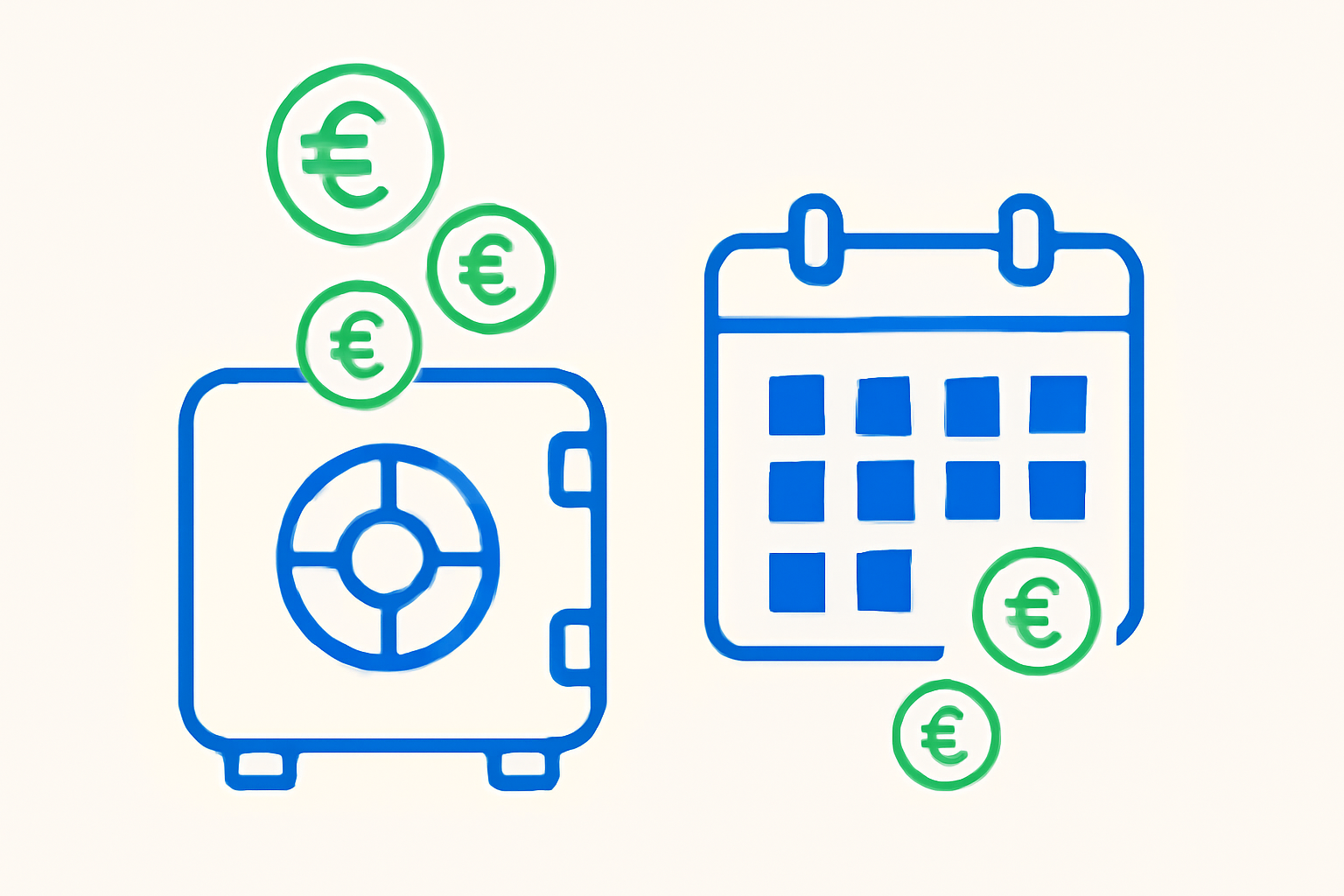 This amount covers your basic living expenses for one year in Germany. Unlike a regular savings account, a Blocked Account releases only about €934 monthly to you once you arrive in Germany. This structured approach ensures you have consistent funds throughout your academic year.
You can open a Blocked Account through banks like Deutsche Bank or service providers such as Fintiba or Coracle. The process typically involves online registration, identity verification, and transferring the required funds. Complete details on the blocked account procedure can make this process smoother for Indian students.
Health Insurance for International Students
Health insurance isn't optional when you plan to study in Germany after graduation or 12th. It's mandatory both for your visa application and university enrollment. Your policy must cover your entire stay in Germany.
Indian students typically have two main options:
- Public health insurance (gesetzliche Krankenversicherung): Best for students under 30 years old
- Private health insurance (private Krankenversicherung): Usually for students over 30 or those with specific needs
Most international students opt for public insurance, costing around €110 monthly with comprehensive coverage. Learn more about health insurance requirements before making your decision.
The Student Visa Application Process
After receiving your university admission letter, you'll need to apply for a Germany Student Visa (Visum zu Studienzwecken). Here's how:
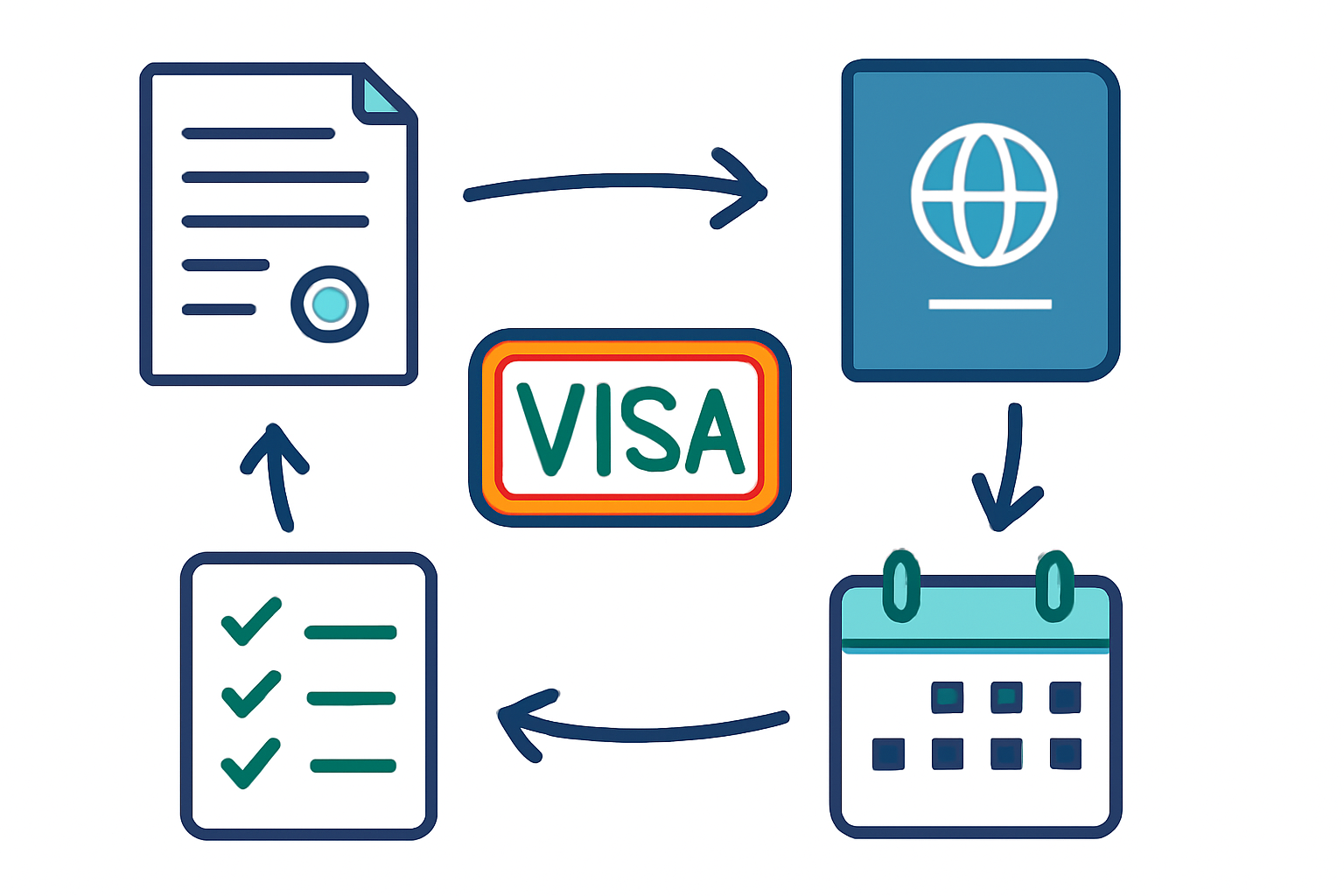
- Book an appointment at the German Embassy or VFS Global center in your city in India
- Prepare your documents:
- University admission letter
- Valid passport
- Blocked account confirmation
- Health insurance certificate
- Completed visa application form
- Biometric photos
- Academic transcripts
- Statement of Purpose (SOP)
The visa processing typically takes 6-12 weeks, so apply at least 2-3 months before your planned departure. The step-by-step process to study in Germany from India includes detailed visa guidance.
Scholarships and Funding Opportunities
While tuition-free universities in Germany for international students make education affordable, living expenses remain significant. Fortunately, various scholarships can help:
- DAAD (German Academic Exchange Service) offers numerous scholarships specifically for Indian students
- University-specific scholarships based on academic merit
- State-funded programs for international talent
- Private foundations supporting specific fields of study
Research and apply for these opportunities early, as many have deadlines 6-12 months before your program starts. The cost of studying in Germany for Indian students can be significantly reduced with the right financial support.
Life in Germany and Post-Study Career Opportunities
Initial Steps Upon Arrival in Germany
Congratulations on making it to Germany! Your first two weeks are crucial for settling in smoothly. Begin by registering your address (Anmeldung) at the local Bürgeramt (citizen's office) – this is mandatory and serves as the foundation for all further administrative processes for Indian students in Germany.
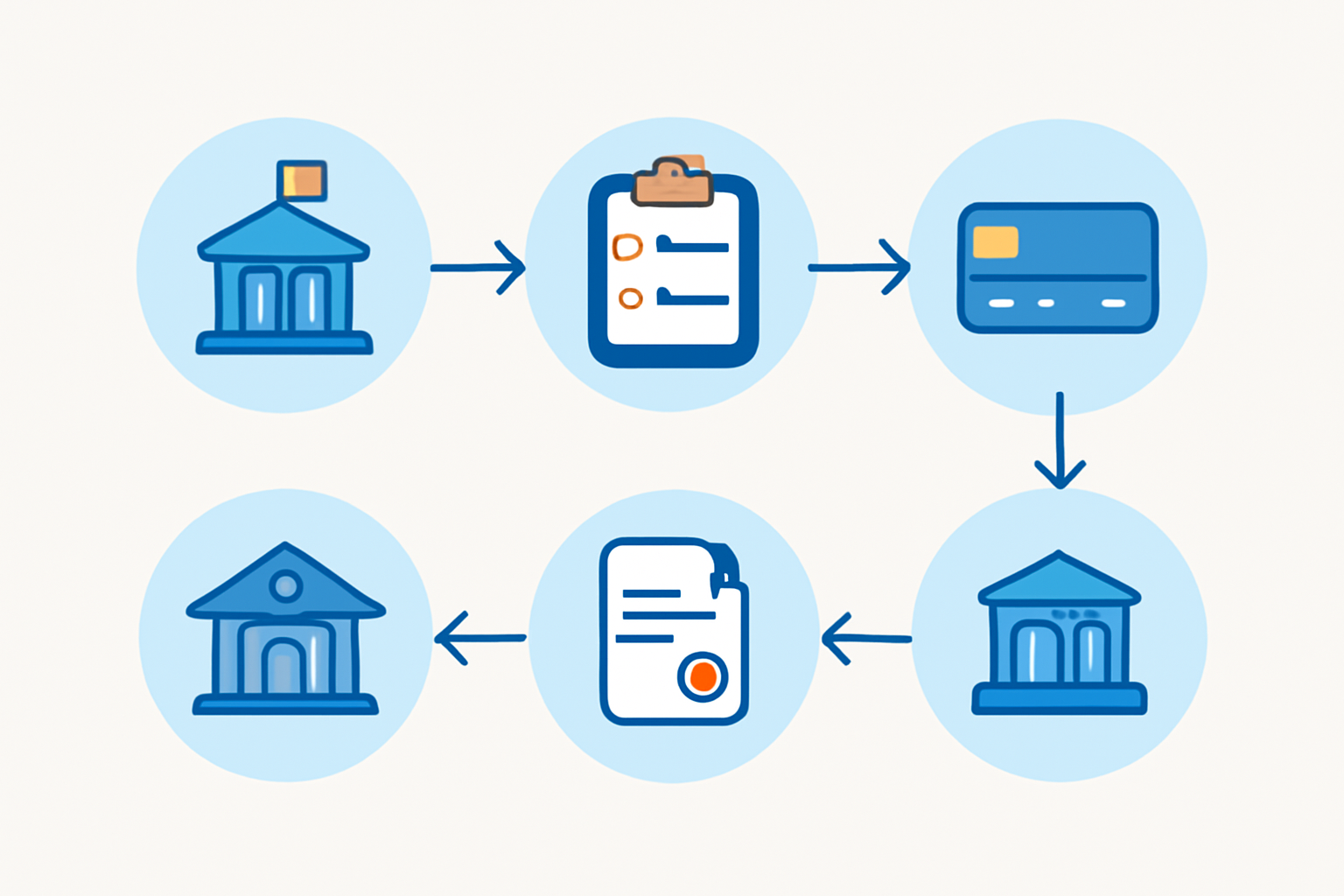 Take your passport, visa, rental contract, and landlord confirmation (Wohnungsgeberbestätigung) to complete this process.
Next, open a German bank account at popular options like Deutsche Bank, Commerzbank, or N26. This account is essential for paying rent, receiving your monthly allowance from your blocked account, and managing daily expenses – a critical aspect of the step-by-step process to study in Germany from India.
Within 90 days of arrival, apply for your Residence Permit (Aufenthaltserlaubnis) at the local Ausländerbehörde (immigration office). Book an appointment early as slots fill quickly! You'll need your passport, admission letter, proof of health insurance, and proof of financial resources.
Don't forget to complete your university enrollment (Immatrikulation) to obtain your student ID, which offers discounts on public transport, cafeteria meals, and cultural activities – making the cost of studying in Germany for Indian students more manageable.
Lastly, secure accommodation if you haven't already. University dormitories are budget-friendly but have long waiting lists. Private rentals or shared apartments (WG – Wohngemeinschaft) are popular alternatives. Get a local SIM card and a semester ticket for public transportation to help you navigate your new city.
Part-Time Work Options for International Students
As an international student in Germany, you're allowed to work up to 120 full days or 240 half days per year without requiring a special work permit. This policy helps Indian students balance their studies while earning approximately €450-€850 monthly to offset living expenses.
Popular student jobs include:
- University positions: research assistants, library staff, or tutors
- Hospitality roles: waiters, baristas, kitchen helpers
- Retail: sales associates or stockers
- Delivery services: food or package delivery
Many students find campus jobs through university job boards or websites like Studentenjob.de and Jobmensa. These opportunities provide valuable German workplace experience while improving your language skills – an advantage when exploring job opportunities in Germany after masters for Indian students.
Post-Study Work Permit and Job Search
Germany offers one of Europe's most generous post-study work options.
 After completing your degree, you can apply for an 18-month job-seeker visa (Aufenthaltserlaubnis zur Arbeitsplatzsuche) to find employment related to your qualifications.
The German job market particularly values graduates in STEM fields, with engineering, IT, and healthcare sectors showing strong demand. Cities like Munich, Berlin, Hamburg, and Frankfurt offer abundant opportunities for international graduates, making Germany increasingly attractive compared to traditional destinations like Canada for Indian students.
To maximize your chances:
- Start networking early through university career events, industry fairs, and platforms like Xing (German LinkedIn)
- Secure internships during your studies – many convert to full-time positions
- Develop at least B2-level German language proficiency, even for jobs in international companies
- Create German-style application documents (Lebenslauf)
Once you secure relevant employment, you can apply for a Blue Card EU (for highly qualified professionals) or other long-term work permits, potentially leading to permanent residency after just 21 months with B1 German skills.