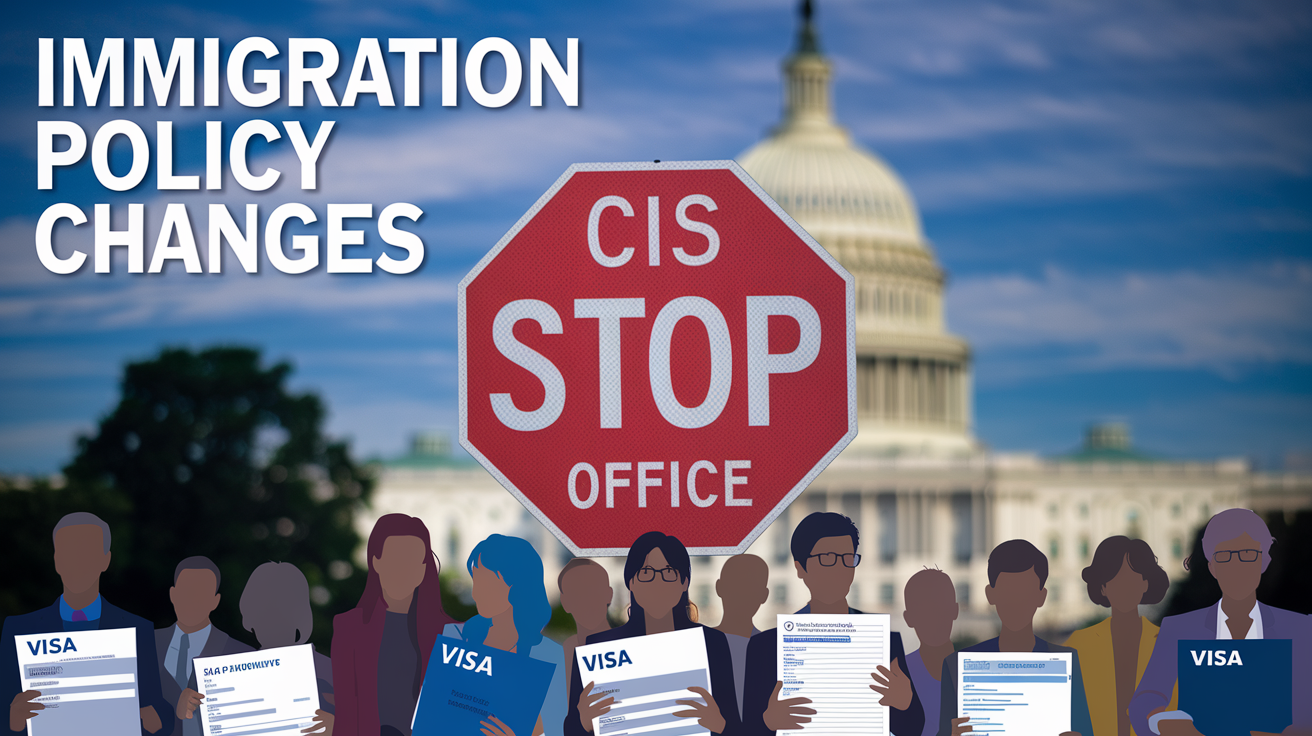
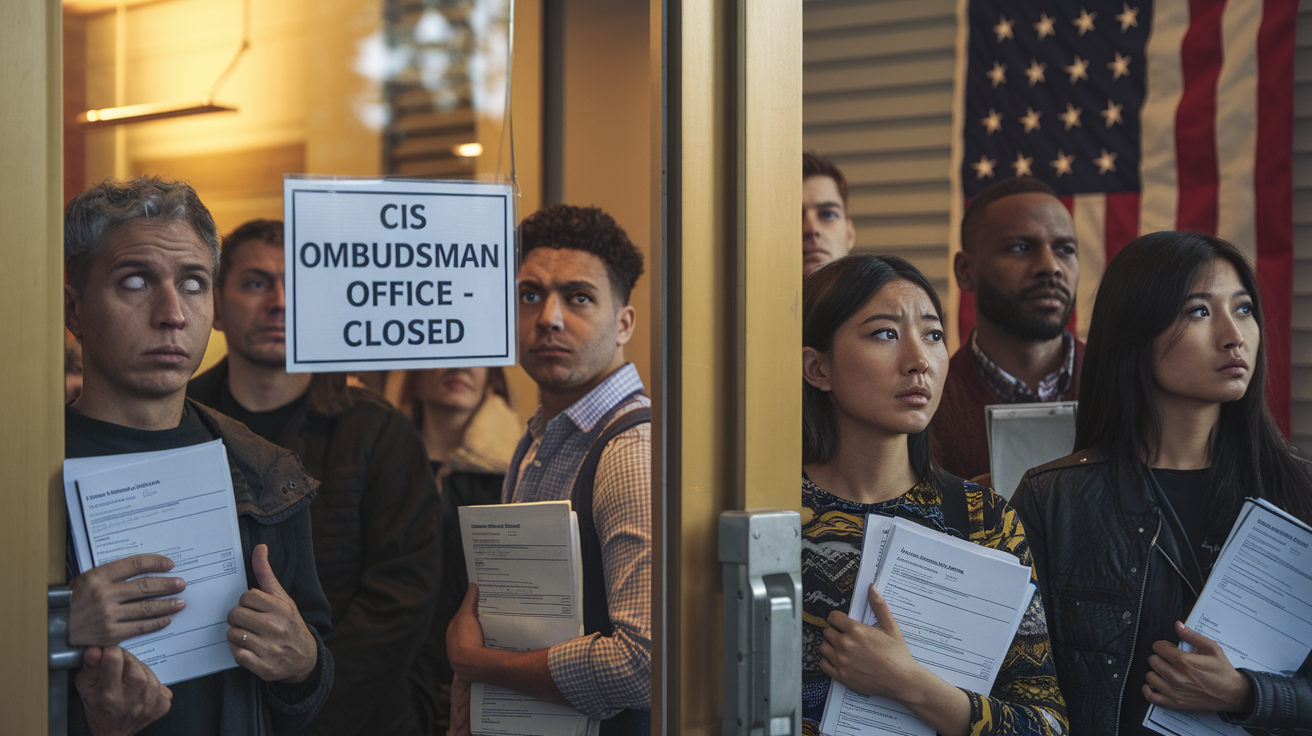
🚨 Breaking News: The U.S. government has just shut down the CIS Ombudsman Office, sending shockwaves through the immigration community. If you’re an H-1B visa holder, Green Card applicant, or international student, your immigration journey may have just hit a major roadblock.
For years, the CIS Ombudsman Office has been a crucial lifeline for those navigating the complex U.S. immigration system. It served as a neutral arbiter, helping resolve issues and expedite urgent cases. But with its sudden closure, thousands of immigrants are left wondering: “What happens to my case now?” 😰
In this blog post, we’ll dive deep into the repercussions of this unexpected move. We’ll explore how it affects H-1B professionals, Green Card hopefuls, and international students pursuing their American dreams. From understanding the immediate impact to discussing potential alternatives and industry reactions, we’ll guide you through this new, uncertain landscape of U.S. immigration.
Understanding the CIS Ombudsman Office Closure
A. Role and function of the CIS Ombudsman Office
The CIS Ombudsman Office played a crucial role in the U.S. immigration system, serving as a bridge between applicants and USCIS. Its primary functions included:
- Addressing systemic issues in immigration services
- Proposing changes to improve USCIS efficiency
- Assisting individuals and employers with case problems
Here’s a breakdown of the office’s key responsibilities:
| Responsibility | Description |
|---|---|
| Case Assistance | Helping resolve pending cases facing unusual delays |
| Policy Recommendations | Suggesting improvements to USCIS practices |
| Annual Reporting | Providing Congress with detailed analyses of USCIS performance |
| Outreach | Engaging with the public and stakeholders to gather feedback |
B. Reasons behind the shutdown
The closure of the CIS Ombudsman Office stems from several factors:
- Budget constraints
- Shifting administrative priorities
- Allegations of inefficiency
- Duplication of services with other departments
C. Timeline of the closure
The shutdown process unfolded as follows:
- Initial announcement by DHS
- 60-day wind-down period
- Transition of ongoing cases to other departments
- Final closure and reallocation of resources
This unexpected closure has left many applicants concerned about the future of their cases and the overall immigration process. As we move forward, it’s crucial to understand how this change will specifically impact different visa categories, starting with H-1B applicants.
Impact on H-1B Visa Applicants
Changes in application processing
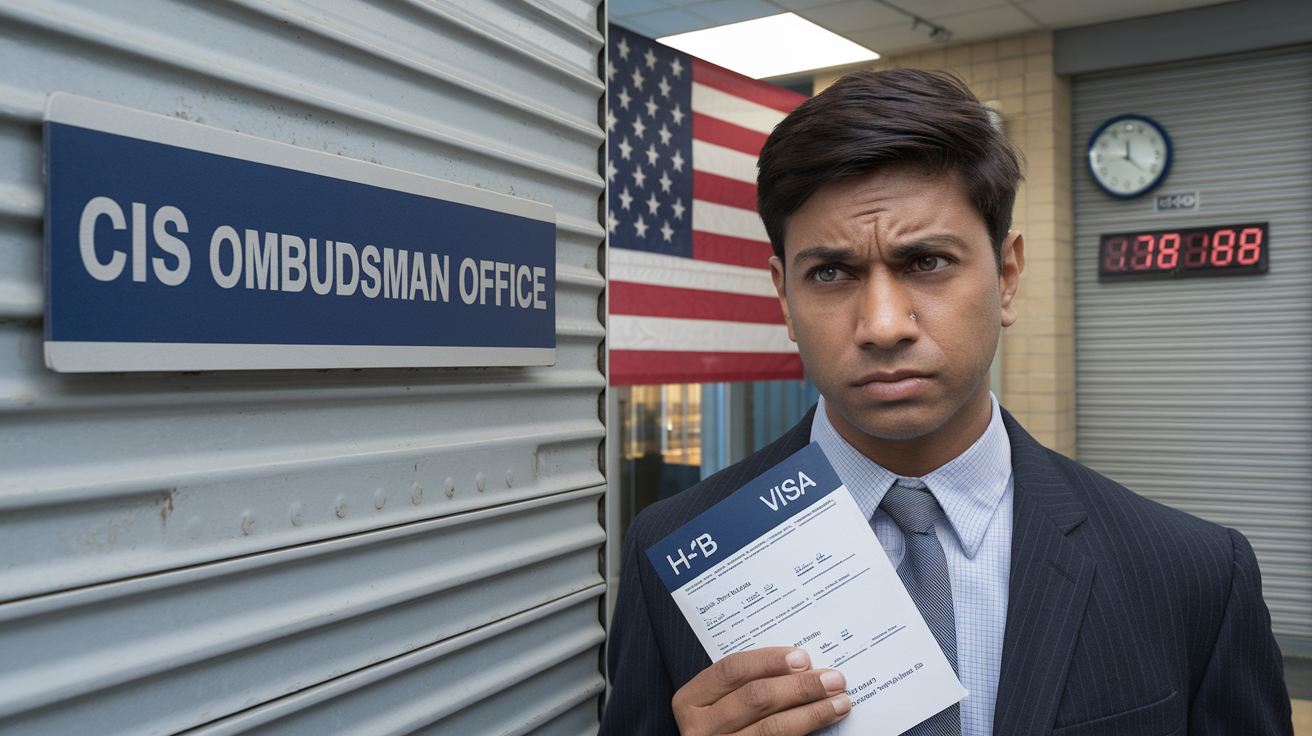
The closure of the CIS Ombudsman Office has led to significant changes in H-1B visa application processing. Applicants now face a more streamlined but potentially less flexible system. Here’s a breakdown of the key changes:
| Aspect | Before Closure | After Closure |
|---|---|---|
| Processing time | Variable, with option for expedited review | Potentially longer, standardized process |
| Communication | Direct channel through Ombudsman | Limited to USCIS customer service |
| Issue resolution | Personalized assistance | Generalized support |
| Transparency | Higher due to Ombudsman reports | Reduced visibility into processing |
These changes require H-1B applicants to be more proactive and informed throughout the application process.
Potential delays and challenges
With the Ombudsman Office no longer available, H-1B applicants may encounter:
- Increased processing times due to lack of expedited review options
- Difficulty in resolving complex cases or unusual circumstances
- Less personalized assistance for application issues
- Reduced ability to track application status effectively
Alternative resources for assistance
H-1B applicants can now turn to:
- USCIS official website and online resources
- Legal counsel specializing in immigration law
- Professional associations and forums for peer support
- Employer’s HR department for guidance
Strategies for navigating the new system
To succeed in the post-Ombudsman landscape, H-1B applicants should:
- Start the application process earlier to account for potential delays
- Thoroughly review all documentation before submission
- Keep detailed records of all communications with USCIS
- Consider seeking professional legal advice for complex cases
Now that we’ve explored the impact on H-1B visa applicants, let’s examine how the closure affects Green Card applicants.
Consequences for Green Card Applicants
Effects on processing times
Green card applicants may experience significant changes in processing times due to the closure of the CIS Ombudsman Office. Without this intermediary, applicants might face:
- Longer wait times for application review
- Delayed responses to inquiries
- Increased backlog of cases
| Before Closure | After Closure |
|---|---|
| Average processing time: 6-8 months | Potential increase to 9-12 months |
| Expedited processing available | Limited expedited options |
| Regular case status updates | Reduced frequency of updates |
Changes in communication channels
The closure of the Ombudsman Office will necessitate new communication strategies for green card applicants:
- Direct USCIS communication
- Increased reliance on online portals
- Potential use of congressional assistance
- Greater dependence on legal representation
Potential impacts on different green card categories
Various green card categories may experience distinct challenges:
- Employment-based: Longer processing times could affect job offers and start dates
- Family-based: Increased separation periods for families
- Diversity Visa: Potential loss of eligibility due to extended processing
Now that we’ve examined the consequences for green card applicants, let’s explore the implications for student visa applicants in the next section.
Implications for Student Visa Applicants
Alterations in visa application procedures
Student visa applicants will face significant changes in their application process due to the closure of the CIS Ombudsman Office. The absence of this crucial intermediary means students must navigate a more complex system without dedicated support. Here’s a breakdown of the key alterations:
| Aspect | Before Closure | After Closure |
|---|---|---|
| Application Submission | Centralized guidance | Decentralized process |
| Issue Resolution | Direct ombudsman assistance | Limited support options |
| Information Accuracy | Verified by ombudsman | Potential for inconsistencies |
| Application Tracking | Simplified through ombudsman | More challenging to track |
Possible changes in processing times
With the ombudsman’s office no longer facilitating communication between applicants and USCIS, processing times for student visas may be affected:
- Increased delays due to lack of intervention in problematic cases
- Potential backlog as applicants struggle with the new system
- Varying processing times across different USCIS offices
New challenges for international students
International students will face additional hurdles in their pursuit of education in the U.S.:
- Reduced advocacy for complex cases
- Difficulty in addressing application errors or misunderstandings
- Increased stress and uncertainty during the application process
- Potential impact on academic planning and enrollment timing
Available support systems
While the ombudsman’s office closure creates a significant gap, students can still seek assistance through:
- University international student offices
- Legal counsel specializing in immigration law
- Online resources and forums for peer support
- USCIS customer service, though with potentially longer response times
Now that we’ve examined the implications for student visa applicants, let’s explore the government’s response to these changes and potential alternatives being considered.
Government’s Response and Alternatives
Official statements and explanations
The Department of Homeland Security (DHS) has released an official statement regarding the closure of the CIS Ombudsman Office. According to the DHS, the decision was made to streamline operations and redirect resources to more critical areas of immigration services. The statement emphasizes that this move is part of a broader restructuring effort aimed at improving efficiency and reducing bureaucratic overhead.
Key points from the official statement:
- Budget constraints necessitated the closure
- Existing USCIS channels will absorb Ombudsman duties
- Closure is expected to save taxpayers millions annually
Proposed alternative services
In light of the Ombudsman Office closure, the government has proposed several alternative services to address the concerns of visa applicants:
- Enhanced USCIS Contact Center
- Online Case Status Tracker improvements
- Expanded self-service options on the USCIS website
| Alternative Service | Description | Availability |
|---|---|---|
| Enhanced USCIS Contact Center | 24/7 support with reduced wait times | Immediate |
| Improved Case Status Tracker | Real-time updates and detailed information | Within 3 months |
| Expanded Self-Service Options | DIY tools for common inquiries and requests | Phased rollout over 6 months |
Transition plans for ongoing cases
The government has outlined a comprehensive transition plan for cases currently in the Ombudsman’s pipeline:
- All active cases will be reviewed and categorized based on urgency
- High-priority cases will be fast-tracked through appropriate USCIS channels
- Applicants with pending cases will receive detailed instructions on next steps
Now that we’ve examined the government’s response and alternatives, let’s explore how the industry has reacted to this significant change in the immigration landscape.
Industry Reactions and Concerns
Responses from tech companies and universities
The closure of the CIS Ombudsman Office has sparked significant concern among tech companies and universities, who rely heavily on immigrant talent. Many industry leaders have expressed their disappointment and worry about the potential negative impacts on their ability to attract and retain skilled workers.
| Stakeholder | Primary Concerns |
|---|---|
| Tech Companies | Reduced ability to hire international talent, delays in visa processing |
| Universities | Decreased international student enrollment, challenges in retaining foreign faculty |
Several prominent tech companies have issued statements highlighting the importance of streamlined immigration processes for maintaining innovation and competitiveness in the global market. Universities, on the other hand, emphasize the potential decline in research capabilities and cultural diversity on campuses.
Feedback from immigration lawyers and experts
Immigration lawyers and experts have been vocal about the potential consequences of shutting down the CIS Ombudsman Office. Their concerns include:
- Increased processing times for visa applications
- Lack of oversight and accountability in USCIS operations
- Reduced avenues for resolving complex immigration cases
Many experts argue that the closure may lead to a backlog of cases and create additional hurdles for immigrants navigating the already complex U.S. immigration system.
Potential economic impacts
The economic implications of the CIS Ombudsman Office closure could be far-reaching:
- Reduced innovation in tech sectors
- Potential loss of talent to other countries with more welcoming immigration policies
- Decreased international student enrollment, affecting university revenues
Economists warn that these factors could collectively impact U.S. competitiveness in the global market and potentially slow economic growth in key industries. As we move forward, it’s crucial to consider alternative solutions that can address these concerns and maintain the U.S.’s position as a leading destination for global talent.
Navigating the Post-Ombudsman Landscape

Updated resources for visa applicants
With the closure of the CIS Ombudsman Office, visa applicants must now rely on alternative resources for assistance. The USCIS website has become the primary source of information, offering updated guidelines and FAQs. Additionally, the Department of State’s Visa Office provides valuable resources for international applicants.
| Resource | Description | Best for |
|---|---|---|
| USCIS Website | Official forms, processing times, case status | All applicants |
| DOS Visa Office | Visa bulletin, country-specific information | Green card applicants |
| SEVP Portal | SEVIS information, school updates | Student visa holders |
New channels for addressing application issues
In the absence of the Ombudsman Office, applicants now have several new channels to address their concerns:
- USCIS Contact Center: Enhanced to handle a wider range of inquiries
- Online case inquiry system: Improved for faster response times
- Congressional liaison offices: For escalating urgent cases
- Virtual InfoMod appointments: For complex case discussions
Tips for staying informed about policy changes
Staying up-to-date with immigration policy changes is crucial in the post-Ombudsman era. Here are some effective strategies:
- Subscribe to USCIS email alerts and social media channels
- Follow reputable immigration law blogs and forums
- Join professional organizations in your field for industry-specific updates
- Set up Google Alerts for key immigration terms relevant to your visa category
Importance of seeking professional legal advice
Now more than ever, the complexity of the immigration system necessitates professional guidance. Immigration attorneys can:
- Interpret new policies and their implications for individual cases
- Provide strategic advice on application timing and documentation
- Represent applicants in appeals or complex situations
- Offer alternatives when facing application challenges
Remember, while self-research is valuable, professional legal advice can be crucial in navigating the ever-changing immigration landscape effectively.

The closure of the CIS Ombudsman Office marks a significant shift in the U.S. immigration landscape, affecting H-1B, Green Card, and student visa applicants alike. This change brings new challenges for those navigating the complex immigration system, with potential delays and reduced avenues for issue resolution. However, it also underscores the importance of staying informed and adaptable in the face of evolving immigration policies.
As we move forward in this post-Ombudsman era, applicants must be proactive in understanding their rights, exploring alternative resources, and staying updated on policy changes. While the road ahead may seem uncertain, maintaining open communication with legal representatives and utilizing available government channels will be crucial for successfully managing immigration processes. The immigration community’s resilience and ability to adapt will be key in overcoming these new challenges and continuing to pursue opportunities in the United States.