
Planning a trip to the United States? This comprehensive US visitor visa 2026 guide is for tourists, business travelers, and family visitors who need to understand the application requirements and process before booking their flights.
Getting a US tourist visa might seem overwhelming, but millions of people successfully navigate this process each year. In 2023, over 80% of applicant’s received approval for their B-2 tourist visa or B1/B2 combined visa applications, showing that with proper preparation, most travelers can achieve their American dream.
This guide breaks down everything you need to know about visitor visa eligibility and the different types available, including the popular B1/B2 visa and alternatives like the visa waiver program through ESTA. We’ll walk you through the complete step-by-step application process, from filling out the DS-160 form to preparing for your US embassy visa interview. You’ll also learn about required documents and supporting evidence that can make or break your application, plus common mistakes that could delay your approval.
Whether you’re planning a vacation, visiting family, or need medical treatment in the US, this guide covers the essential information for US visa for Indian citizens and travelers from other countries to help you submit a strong application and increase your chances of success.
Understanding US Visitor Visa Types and Eligibility
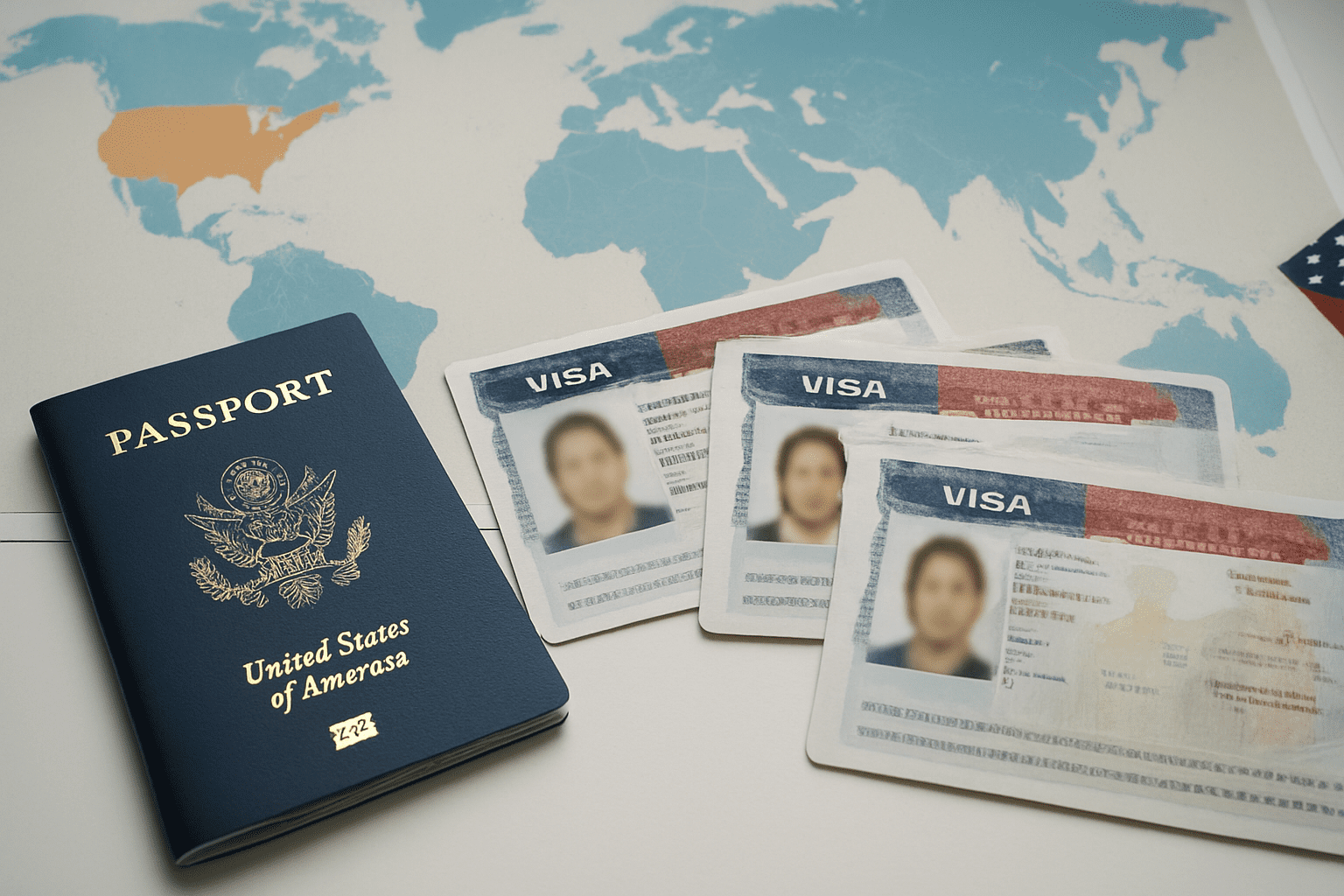
B-2 Tourist Visa for Leisure and Medical Travel
The B-2 tourist visa is designed for foreign nationals visiting the United States for tourism, vacation, visiting friends or relatives, and medical treatment. This nonimmigrant visa allows activities such as sightseeing, participating in social events, amateur sports or musical events without payment, and enrolling in short recreational courses not for academic credit.
Medical travelers seeking treatment in the United States may need additional documentation including a local physician’s diagnosis, a letter from the U.S. medical facility detailing treatment costs and duration, and proof of financial ability to cover all medical, transportation, and living expenses during the stay.
B-1/B-2 Combined Visa for Business and Tourism
The B-1/B-2 combined visa offers flexibility for travelers who need to conduct both business and tourism activities during their U.S. visit. Business purposes under B-1 include consulting with associates, attending conferences, settling estates, and negotiating contracts, while the B-2 component covers all tourist activities.
This combined visa eliminates the need for separate applications when your trip involves mixed purposes. However, employment, permanent residence, and professional performances before paying audiences are strictly prohibited under both visa categories.
Visa Waiver Program (VWP) for Eligible Countries
Citizens from specific countries may enter the United States for tourism or business without obtaining a traditional visitor visa through the Visa Waiver Program. This alternative allows eligible travelers to stay up to 90 days for approved activities.
Travelers using VWP must apply through ESTA (Electronic System for Travel Authorization) and meet all program requirements. This option provides a streamlined entry process for qualifying nationals from participating countries.
Special Entry Rules for Canadian and Bermudian Citizens
Citizens of Canada and Bermuda generally do not require visas to enter the United States for visit, tourism, and temporary business travel purposes. This special arrangement allows these nationals to travel with just their valid passports for short-term stays.
Canadian and Bermudian citizens should consult the U.S. Embassy Ottawa website, U.S. Consulate Hamilton website, and CBP website for specific entry requirements and any updates to these special provisions before traveling.
Essential Requirements Before Starting Your Application
Passport Validity and Travel Documentation Standards
Your passport must have at least six months of validity remaining beyond your planned departure date from the United States. This standard requirement ensures compliance with US immigration regulations and prevents potential entry complications at the border.
Financial Proof and Bank Balance Requirements
Strong Ties to Home Country Evidence
Demonstrating strong connections to your home country is crucial for US visitor visa approval. Immigration officers need assurance that you will return after your visit, making documentation of employment, property ownership, family relationships, and ongoing commitments essential components of your application strategy.
Purpose of Visit and Travel Itinerary Planning
Step-by-Step Application Process for First-Time Applicants
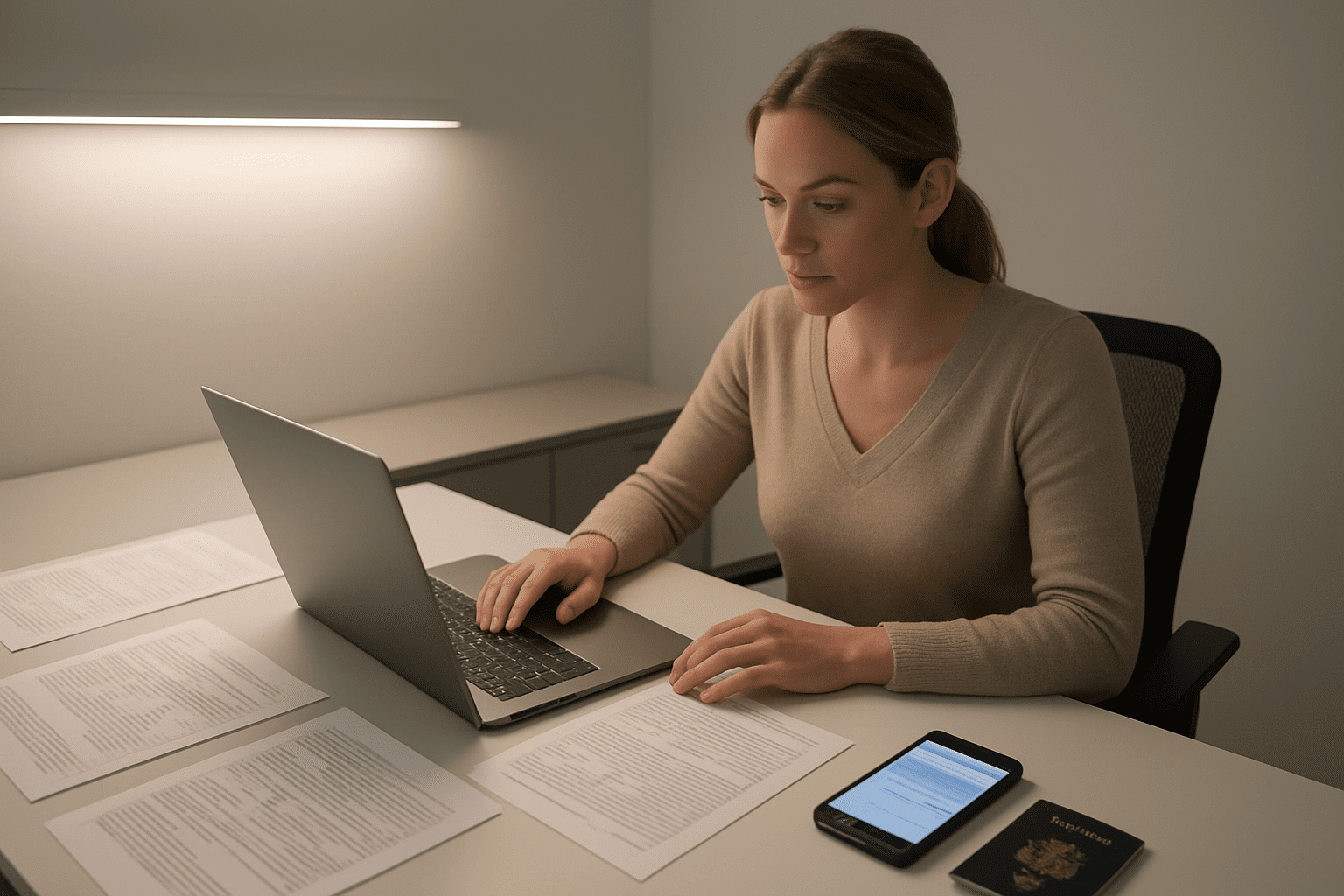
Completing the DS-160 Online Form Correctly
The DS-160 Online Nonimmigrant Visa Application serves as the foundation for your US visitor visa application process. This electronic form must be submitted through the Department of State website, with consular officers using this information during your interview to determine visa eligibility.
Paying Visa Fees and Understanding Non-Refundable Policies
Once you complete your DS-160 application, you must pay the required visa application processing fee before proceeding. Review the country-specific fee structure on your local U.S. Embassy or Consulate website, keeping in mind that these fees are non-refundable regardless of your application outcome.
Scheduling Biometrics and Consular Interview Appointments
After completing your DS-160 and fee payment, you must independently schedule your visa interview appointment – the embassy does not arrange this for you. Print and retain your DS-160 barcode confirmation page, as this document is essential for your appointment scheduling process.
Managing Long Wait Times and Booking Strategies
Visit your designated U.S. Embassy or Consulate website for country-specific appointment availability and scheduling instructions. The DS-160 system requires compatible browsers including Chrome, Edge, Firefox, or Internet Explorer 11+, while Safari and Microsoft Edge are not supported for optimal functionality.
Required Documents and Supporting Evidence
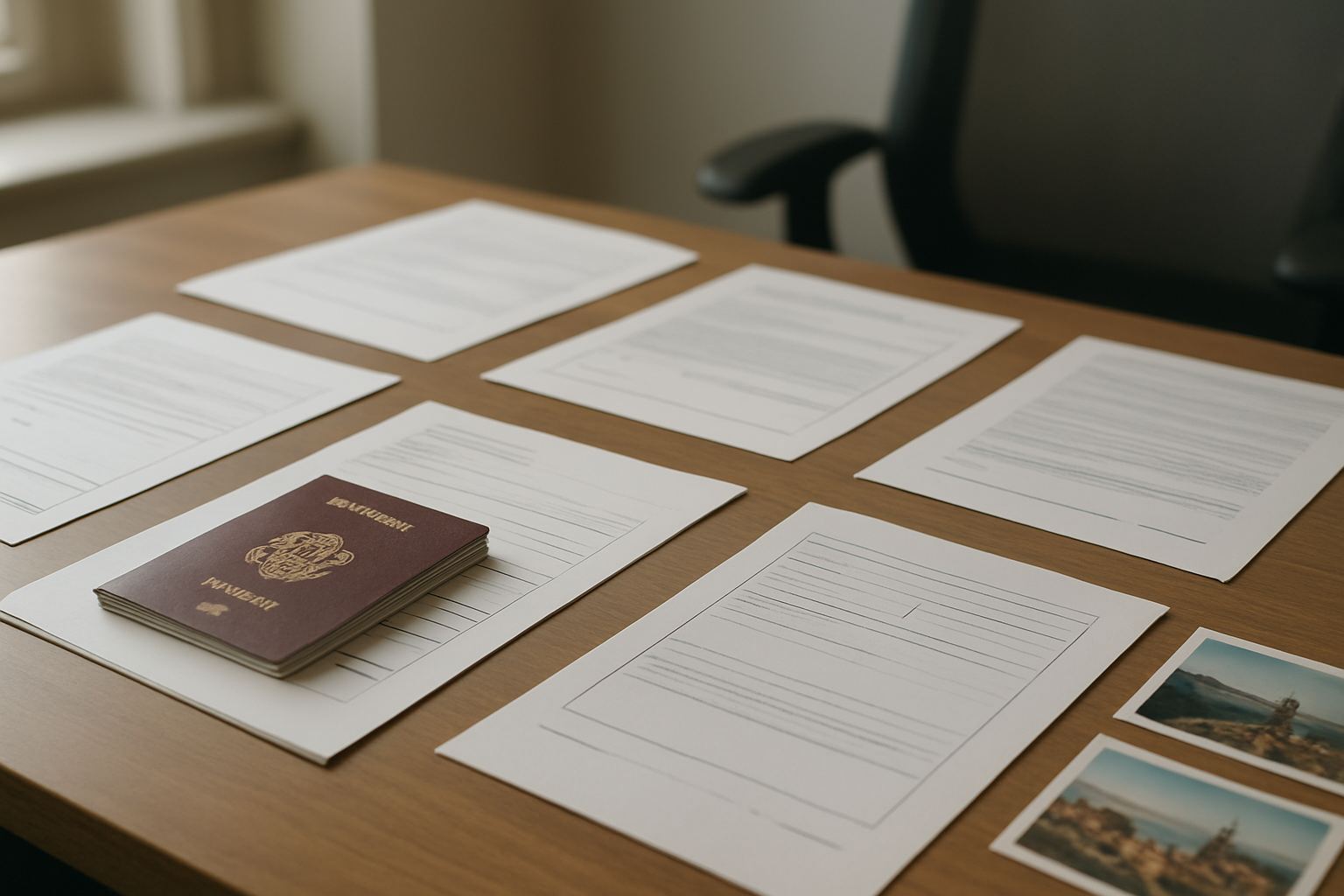
Mandatory Documents for Interview Day
Your current passport must be valid for at least six months beyond your intended stay in the United States. You’ll need the DS-160 confirmation page with CEAC barcode, one photograph meeting specific requirements, visa fee payment receipt, and your original interview appointment letter. Additionally, bring photocopies of your passport’s first page, last page, and remarks pages.
Additional Supporting Documents to Strengthen Your Case
Now that we have covered the mandatory requirements, supporting documents help demonstrate your non-immigrant intent and strong ties to your home country. Property documents including house deeds, ownership papers, and property photographs strengthen your case significantly. Employment letters detailing your position, salary, length of employment, and authorized vacation period are essential. Family documents such as marriage certificates, birth certificates of children, and family photographs also support your application.
Financial Documentation and Income Proof
Financial evidence must show your ability to cover all trip costs or demonstrate credible sponsorship. Present original income tax returns for the last three years, bank statements covering at least six months, and additional financial papers including fixed deposits, shares, insurance policies, and bonds. Self-sponsored applicants should provide comprehensive financial documentation, while sponsored applicants must present original sponsorship documents reflecting the relationship basis for support.
Employment and Family Tie Evidence
Previously, I’ve mentioned employment documentation, but specific evidence includes no objection certificates for government employees, leave sanction letters, business registration certificates for entrepreneurs, and partnership agreements. Professional designations, visiting cards, and organizational positions help establish your standing. Family tie evidence encompasses your family tree chart showing relatives’ names, ages, professions, and addresses, plus photographs taken during previous international travels demonstrating your history of timely returns.
Biometrics Appointment and VAC Process
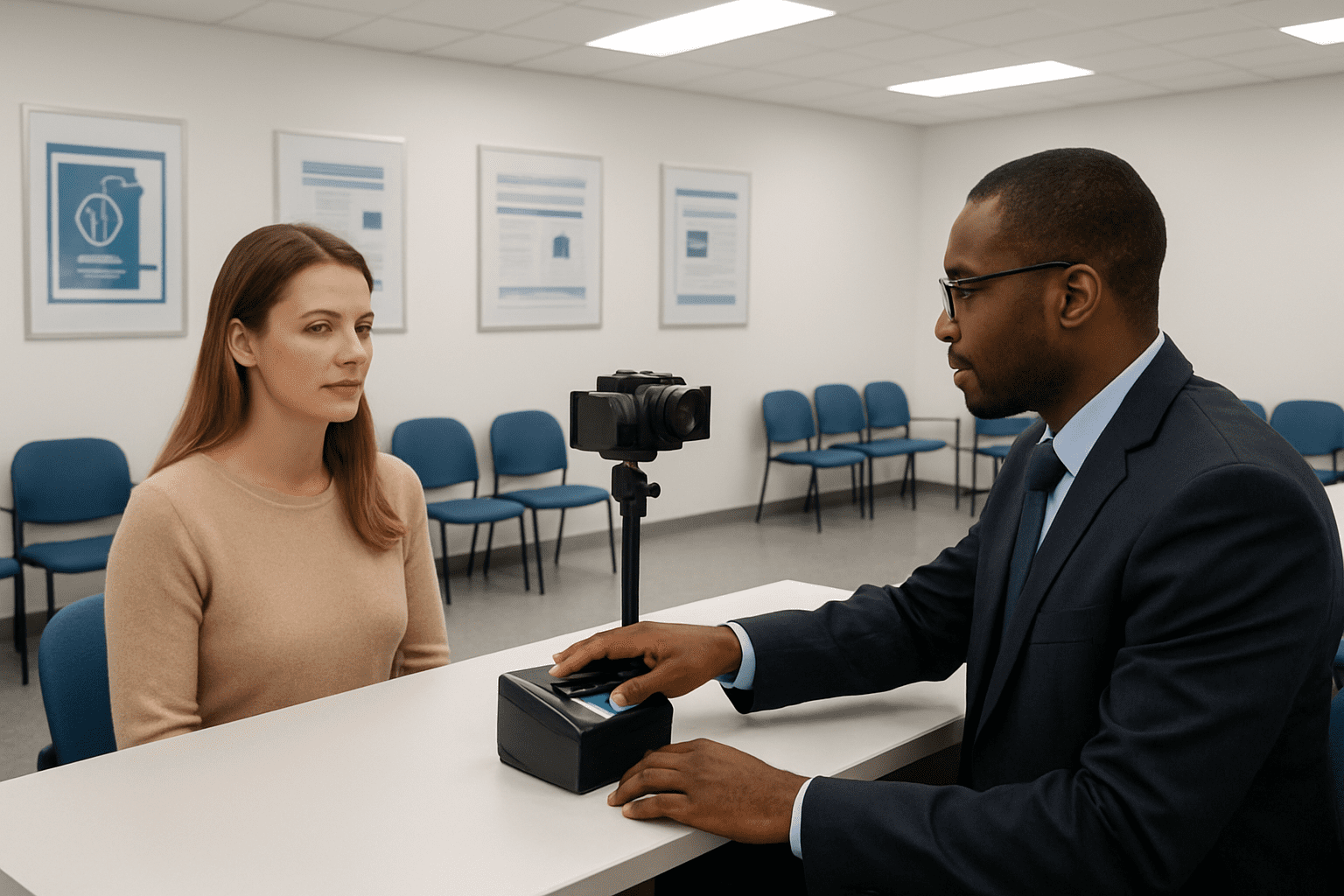
What to Expect at the Visa Application Center
Now that you’ve completed your DS-160 application and paid the visa fees, the next crucial step involves visiting the Visa Application Center (VAC) for biometric data collection. The VAC appointment is mandatory for most visitor visa applicants and must be scheduled separately from your embassy interview. You’ll need to create an account on the online appointment system to schedule this biometric appointment, ensuring you select the appropriate visa category during the booking process.
Photo and Fingerprint Collection Procedures
During your VAC appointment, trained staff will collect your fingerprints using specialized biometric machines designed for secure data capture. The process includes digital photography and comprehensive fingerprint scanning to confirm your identity and facilitate required background checks. You must bring your appointment confirmation notice and valid photo identification such as your passport or driver’s license. The biometric data collected allows immigration authorities to run essential security screenings and maintain accurate applicant records throughout the visa processing timeline.
Mastering the Consular Interview
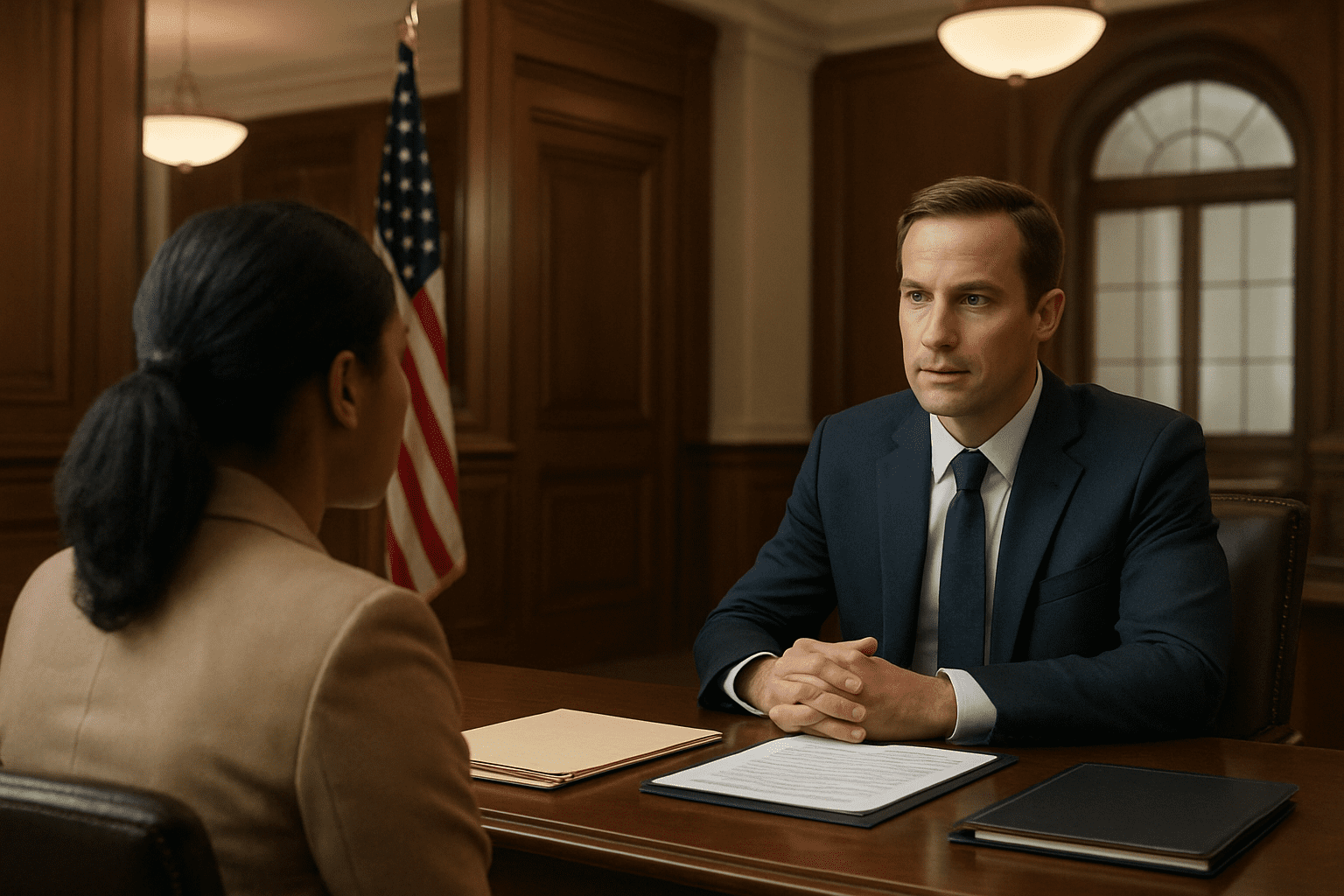
Interview Preparation and Common Questions
The US visa interview typically lasts 10-15 minutes and is conducted by a single consular official who will ask questions about your background, travel plans, and financial circumstances. Common questions include confirming your identity and contact details, when you plan to travel and for how long, the purpose of your trip, where you’ll stay, your employment status and income, whether you have relatives in the US, and evidence that you’ll return to your home country.
Professional Presentation and Documentation Organization
There is no official dress code for the US visa interview, but it’s recommended to dress neatly and professionally to demonstrate you take the process seriously. You should bring your passport, DS-160 form, appointment confirmation, visa fee receipt, and supporting documents such as bank statements, hotel bookings, invitation letters, and evidence of ties to your home country like property ownership or employment verification.
Honest Communication and Consistency Requirements
During the interview, it’s crucial to answer all questions fully and correctly, as failure to do so will result in visa denial. If you don’t understand a question, politely ask the consular officer to repeat or clarify it rather than guessing. Your answers must be consistent with information provided in your application, and you should be prepared to provide documentation supporting your responses.
Possible Interview Outcomes and Next Steps
At the conclusion of the interview, the consular officer will inform you whether your application has been approved, denied, or requires additional documentation through administrative processing. If approved, your passport will be returned via courier service to your specified collection location. If denied, you’ll be informed of the reason and may be allowed to reapply after addressing the issues that led to the denial.
ESTA and Visa Waiver Program Alternative
Eligibility Requirements for VWP Countries
Citizens of 40 designated countries can travel to the United States under the visa waiver program without obtaining a traditional visitor visa. Eligible countries include Andorra, Australia, Austria, Belgium, Brunei, Chile, Croatia, Czech Republic, Denmark, Estonia, Finland, France, Germany, Greece, Hungary, Iceland, Ireland, Israel, Italy, Japan, Latvia, Liechtenstein, Lithuania, Luxembourg, Malta, Monaco, Netherlands, New Zealand, Norway, Poland, Portugal, Qatar, San Marino, Singapore, Slovakia, Slovenia, South Korea, Spain, Sweden, Switzerland, Taiwan, and the United Kingdom. However, travelers who have visited Iran, Iraq, Libya, Somalia, Sudan, Syria, Yemen, or North Korea after March 1, 2011, or Cuba after January 12, 2021, must obtain a traditional visa instead.
ESTA Application Process and Timeline
Now that we’ve covered the eligibility requirements, travelers must obtain valid Electronic System for Travel Authorization (ESTA) approval before boarding any U.S.-bound air or sea carrier. The ESTA is a web-based system operated by U.S. Customs and Border Protection to determine eligibility for tourism or business travel under the visa waiver program. All travelers, including infants and children, must have individual ESTA approvals and valid e-passports with embedded electronic chips that comply with International Civil Aviation Organization standards.
90-Day Stay Limitations and Restrictions
The visa waiver program permits stays of 90 days or less for tourism or business purposes only. Permitted business activities include consulting with associates, attending conferences, short-term training, and contract negotiations. Tourism activities encompass vacation travel, visiting friends or relatives, medical treatment, and participating in amateur events. However, travelers cannot study for credit, work for employment, engage in journalism, or establish permanent residence. Extensions and status changes are strictly prohibited under the visa waiver program.
Comparing ESTA vs Traditional Visa Benefits
With this in mind, the ESTA offers significant convenience advantages over traditional visitor visas, including faster processing times and no embassy interview requirements. However, ESTA approval doesn’t guarantee entry into the United States, as Customs and Border Protection officials maintain final admission authority at ports of entry. Traditional B-1/B2 visas provide greater flexibility with longer validity periods, extension possibilities, and status change options that aren’t available under the visa waiver program, making them preferable for travelers requiring extended stays or multiple entries.
Post-Approval Process and Travel Planning
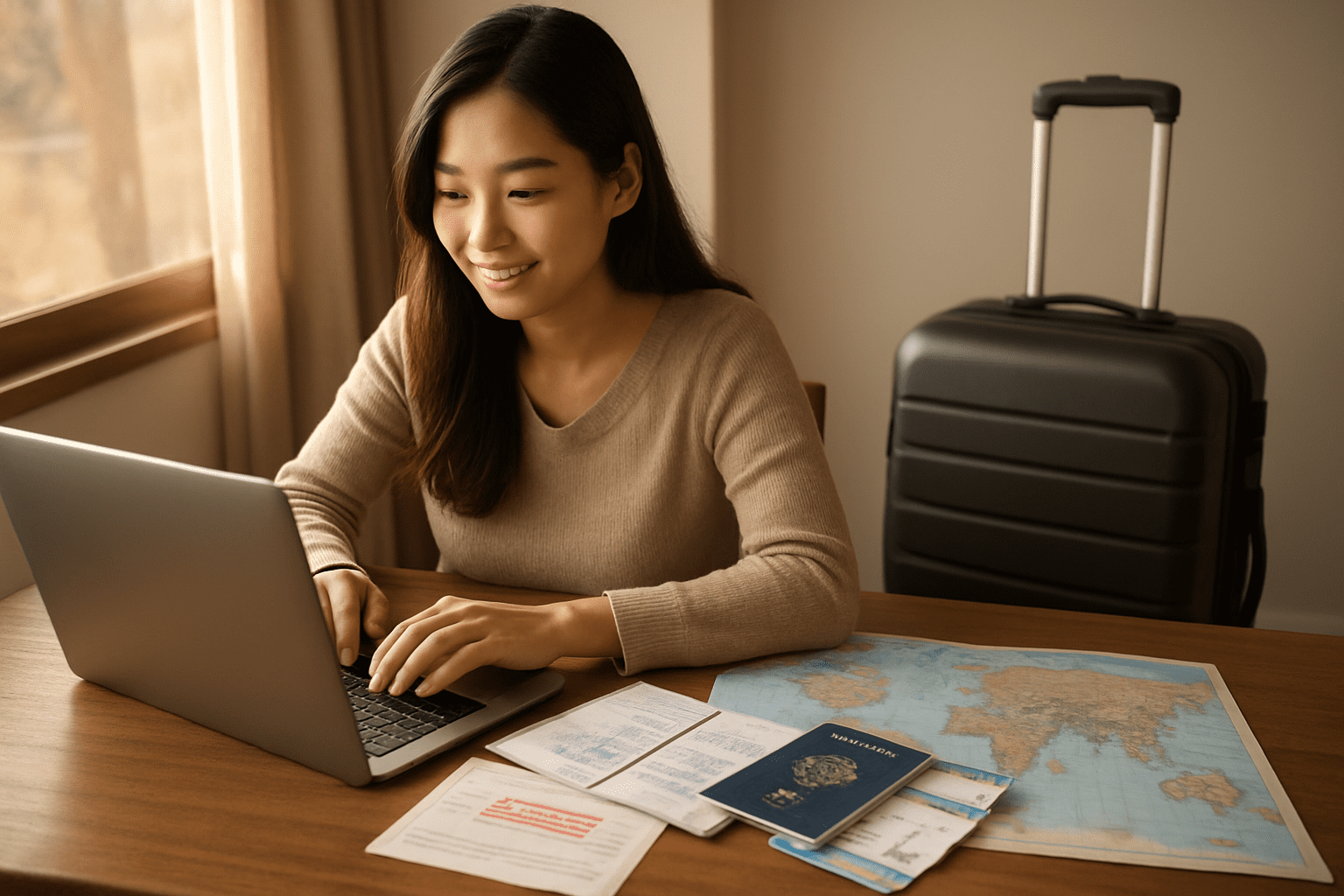
Passport Collection and Visa Verification
Once your US visitor visa is approved, you’ll receive your passport through the designated courier service with the visa affixed inside. Upon collection, immediately verify all information on both the visa and accompanying documentation to ensure accuracy – if you notice any discrepancies, contact the embassy promptly.
Understanding Your Authorized Stay Period
Previously mentioned in the application process, your visa validity period determines when you must enter the United States. However, it’s crucial to understand that the visa expiration date differs from your authorized stay period, which will be determined by immigration officials at the port of entry based on your specific travel purpose and circumstances.
Common Mistakes and How to Avoid Them

Documentation Consistency and Accuracy Issues
One of the most frequent reasons for US visitor visa denial involves incomplete or inaccurate applications. Small errors like typos in passport numbers or leaving required fields blank can lead to significant setbacks. Documentation inconsistencies across different parts of the application process raise red flags with consular officers and often result in denial.
Interview Preparation and Presentation Errors
Failing to provide consistent information during the visa interview compared to your written application creates serious problems. Misrepresenting your travel intent, employment history, or relationship status can lead to permanent bars from entering the United States. Even seemingly minor exaggerations can be interpreted as fraud by trained consular officers who specialize in detecting dishonesty.
Financial Evidence and Tie Demonstration Problems
Insufficient supporting documents for your specific visa category frequently cause application delays or denials. For US visitor visa applications, failing to provide adequate financial statements showing you can support yourself during your stay, or unclear proof of your reason for travel, weakens your case significantly.
Timeline Management and Appointment Scheduling Mistakes
Starting the visa application process too late jeopardizes your travel plans, as some visas can take months to process. Failing to monitor your application status through the Consular Electronic Application Center (CEAC) or missing requests for additional documentation within the required timeframe automatically results in application denial.
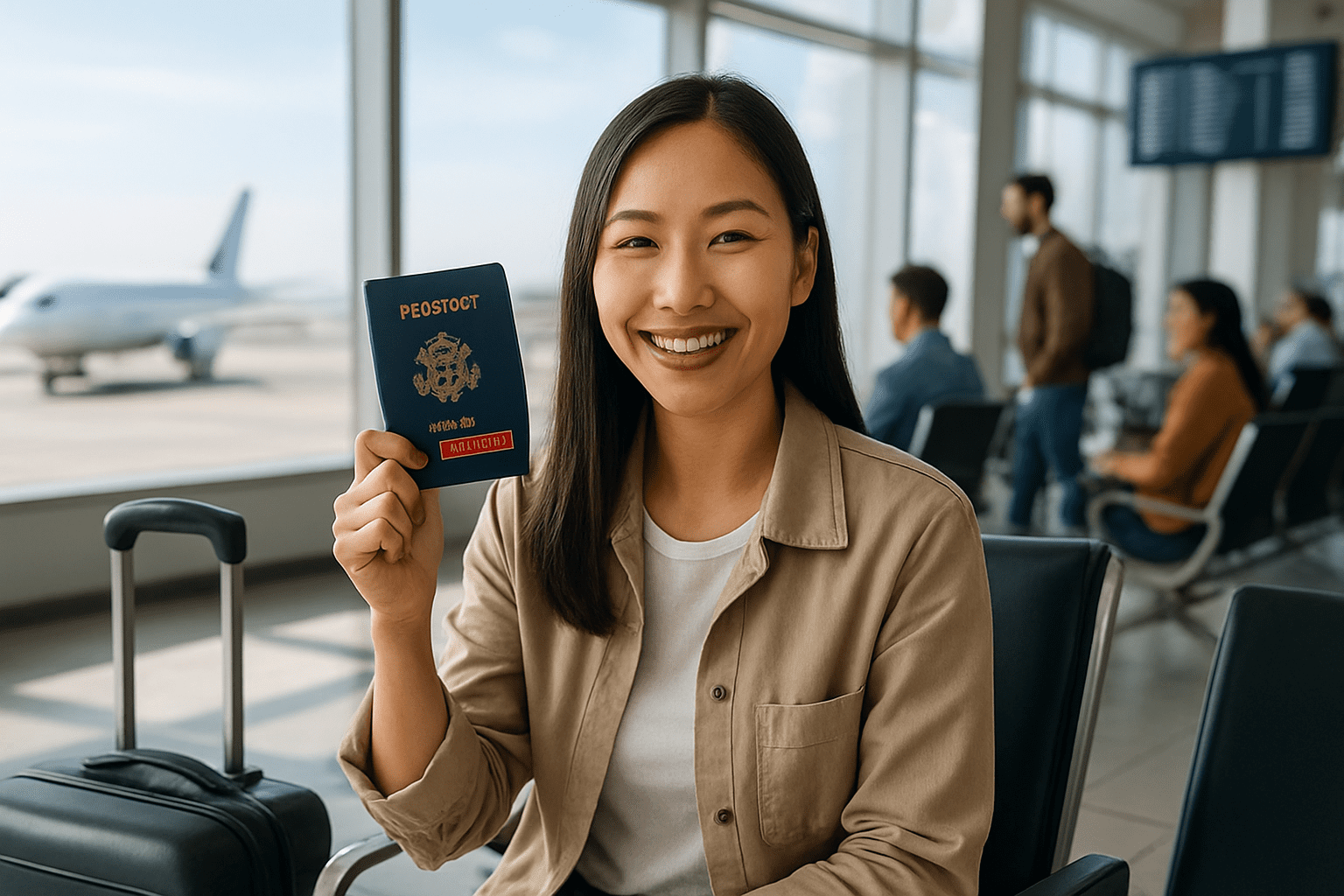
Applying for a visitor visa can feel overwhelming, but with the right strategy, preparation, and expert support, the visitor visa application process becomes far more manageable. At Vrinda PrepMaster, we go beyond basic form filling—we prepare applicants for a successful visitor visa outcome.
From visitor visa document evaluation and application guidance to mock interview preparation, our experienced team ensures that every step of your visitor visa process aligns with embassy requirements. Our transparent approach and personalized support have helped many applicants confidently move closer to their international travel goals.
If you are planning to apply for a visitor visa and want clarity, confidence, and professional guidance, start your journey with Vrinda PrepMaster.