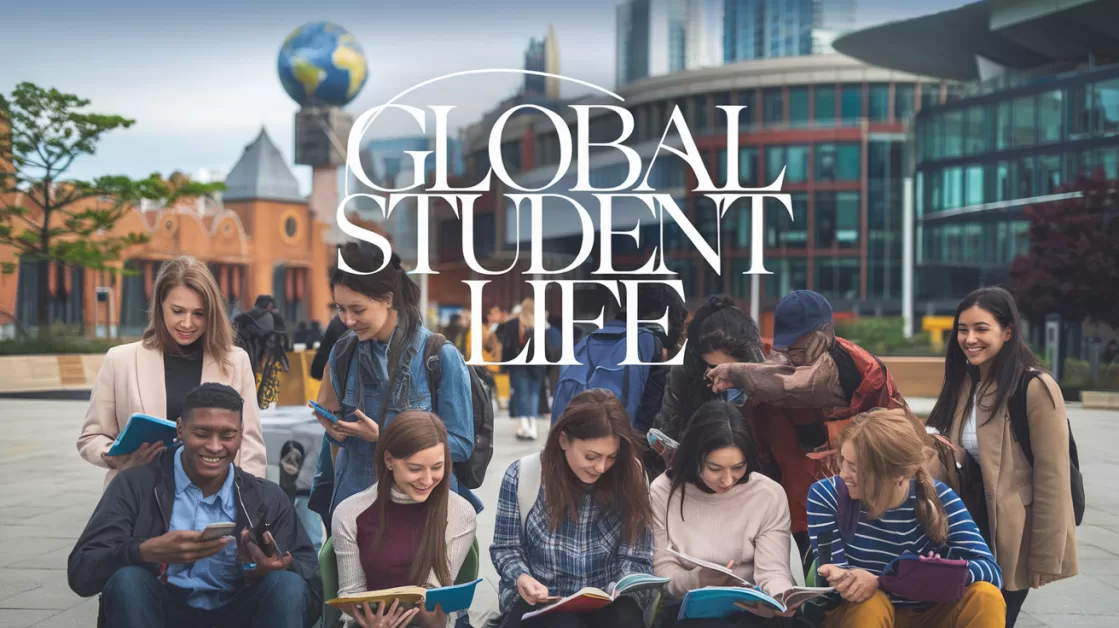
Imagine stepping onto a campus where every corner holds a new discovery, every conversation sparks cross-cultural understanding, and every lecture broadens your global perspective. This isn’t just education; it’s a transformative journey that shapes not only your academic prowess but your entire worldview.
In today’s interconnected world, the concept of ‘Global Student Life’ has become more than just a buzzword—it’s a powerful catalyst for personal and professional growth. 🌍📚 But what exactly does it mean to immerse yourself in different educational ecosystems around the globe? How do varying cultural norms, academic traditions, and societal expectations influence your learning experience and future career prospects?
As we delve into the fascinating realm of international education, we’ll explore how cultural immersion enhances your global perspective, uncover the diverse academic systems worldwide, and examine student life beyond the classroom walls. We’ll navigate the challenges and opportunities presented by different educational infrastructures, highlight the career advantages of a global education, and provide insights on overcoming the hurdles of studying abroad. Prepare to embark on a virtual tour of global student life that might just inspire your next educational adventure!
Table of Contents
Cultural Immersion: Enhancing Your Global Perspective
Experiencing diverse customs and traditions
Studying abroad offers unparalleled opportunities to immerse oneself in diverse customs and traditions. This exposure broadens horizons and fosters cultural sensitivity. Students often participate in local festivals, ceremonies, and rituals, gaining firsthand experience of the host country’s cultural fabric.
Broadening worldviews through local experiences
Local experiences play a crucial role in shaping a student’s global perspective. Engaging with the community, trying local cuisine, and exploring off-the-beaten-path destinations contribute to a more nuanced understanding of the host culture. These experiences challenge preconceptions and encourage critical thinking about global issues.
Developing cross-cultural communication skills
Interacting with peers from various backgrounds enhances cross-cultural communication skills. Students learn to navigate cultural nuances, non-verbal cues, and diverse communication styles. These skills are invaluable in today’s globalized workforce.
Language acquisition through daily interactions
Daily interactions in the host country provide an immersive language learning environment. Students rapidly improve their language skills through practical application in real-life situations, from ordering food to engaging in academic discussions.
Aspect of Cultural Immersion | Benefits |
|---|---|
Diverse customs and traditions | Enhanced cultural sensitivity, broader perspective |
Local experiences | Challenged preconceptions, critical thinking skills |
Cross-cultural communication | Improved interpersonal skills, global workforce readiness |
Language acquisition | Rapid improvement, practical language skills |
Cultural immersion offers numerous advantages:
Increased adaptability and flexibility
Enhanced problem-solving skills in unfamiliar situations
Deeper appreciation for cultural diversity
Improved self-awareness and personal growth
Expanded global network of friends and professional contacts
These experiences collectively contribute to shaping well-rounded, globally-minded individuals prepared for the challenges of an interconnected world. As students navigate through their international education journey, they’ll find that the skills and perspectives gained through cultural immersion become invaluable assets in their personal and professional lives.
Academic Systems Around the World
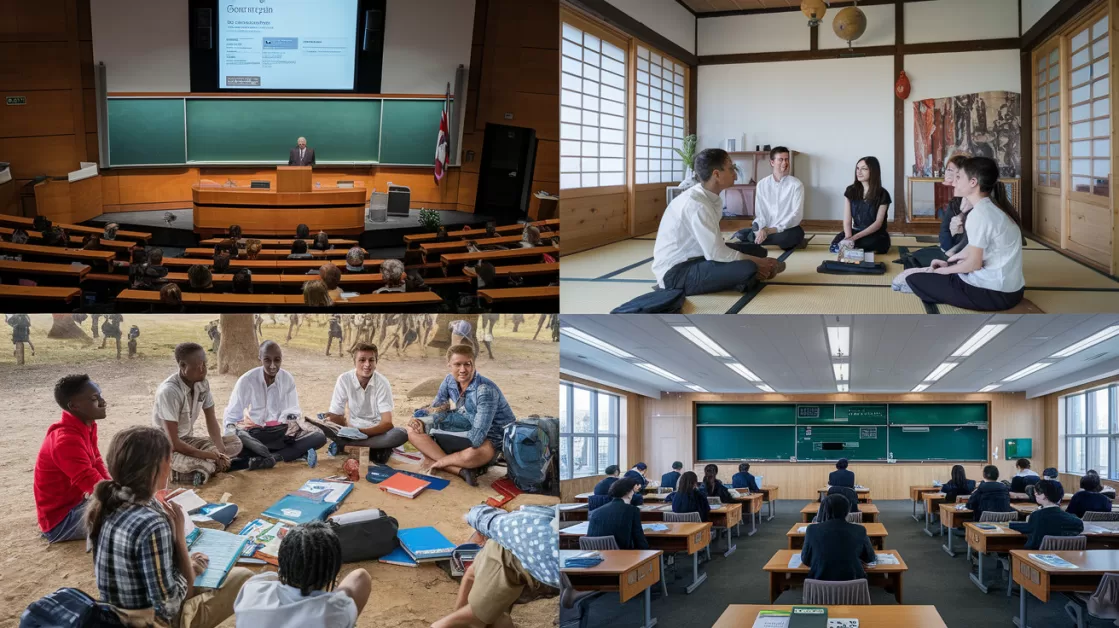
As we delve into the diverse landscape of global education, it’s crucial to understand the varied academic systems that shape student experiences worldwide. Let’s explore how these systems differ and what they mean for international students.
Adapting to Varied Classroom Dynamics
Classroom dynamics can vary significantly across different countries, reflecting cultural norms and educational philosophies. Here’s a comparison of classroom dynamics in various regions:
Region | Classroom Dynamic | Student Participation |
|---|---|---|
Western | Interactive, discussion-based | Encouraged and expected |
Asian | Lecture-oriented, hierarchical | Limited, respect for authority |
European | Seminar-style, research-focused | Balanced, emphasis on critical thinking |
Middle Eastern | Teacher-centered, memorization-based | Structured, formal interactions |
Understanding these differences is key to successfully navigating international academic environments.
Understanding Grading and Assessment Differences
Grading systems and assessment methods can be drastically different from country to country. Some common variations include:
GPA-based systems (common in the US)
Percentage-based grading (prevalent in many Asian countries)
First-class honors system (used in the UK and some Commonwealth nations)
Pass/fail evaluations (found in some European countries)
International students must familiarize themselves with the local grading system to set appropriate academic goals and understand their progress.
Exploring Unique Course Offerings
One of the most exciting aspects of studying abroad is the opportunity to explore unique courses that may not be available in one’s home country. These offerings often reflect:
Local cultural heritage
Regional economic priorities
Cutting-edge research in specific fields
Interdisciplinary approaches unique to the institution
Students should take advantage of these distinctive courses to broaden their academic horizons and gain specialized knowledge.
Comparing Teaching Methodologies
Teaching methods can vary widely across different academic systems:
Problem-based learning
Case study approach
Lecture-based instruction
Practical, hands-on training
Research-oriented teaching
Adapting to these diverse methodologies can enhance a student’s learning flexibility and prepare them for a globalized workforce. As we consider the impact of these academic systems on student life, it’s important to also examine how they influence experiences beyond the classroom.
Student Life Beyond the Classroom
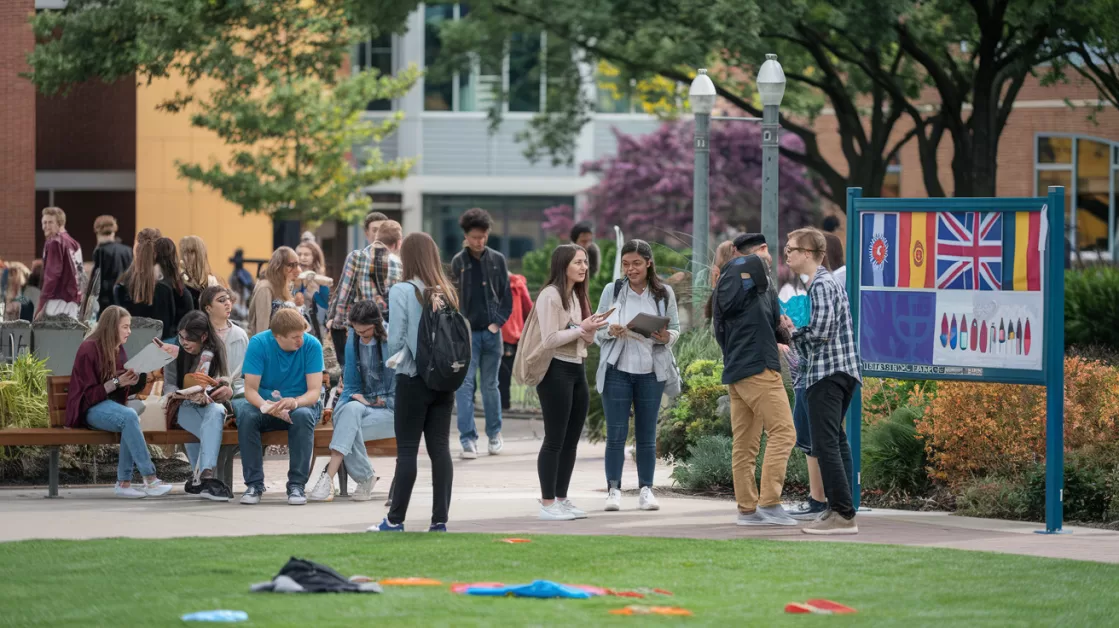
Building a global network of friends and peers
Student life abroad offers unparalleled opportunities to forge lasting connections with people from diverse backgrounds. International students can expand their global network by:
Attending multicultural events on campus
Joining language exchange programs
Participating in group projects with local students
Engaging in online forums for international students
Balancing studies with cultural exploration
Striking a balance between academic commitments and cultural immersion is crucial for a well-rounded international education experience. Here’s how students can achieve this:
Academic Focus | Cultural Exploration |
|---|---|
Attend lectures | Visit local museums |
Complete assignments | Explore regional cuisine |
Study in library | Attend cultural festivals |
Group projects | Weekend trips to nearby cities |
Engaging in local extracurricular activities
Immersing oneself in local activities enhances the study abroad experience and provides insights into the host country’s culture. Students can:
Join sports teams or fitness classes
Volunteer for community service projects
Attend local art workshops or music lessons
Participate in cultural exchange programs
Participating in international student organizations
International student organizations play a vital role in creating a supportive community and fostering cross-cultural understanding. Benefits of involvement include:
Networking opportunities with students from various countries
Access to resources and support for adapting to a new educational environment
Opportunities to showcase one’s culture and learn about others
Developing leadership skills through organizing events and activities
By actively engaging in these aspects of student life beyond the classroom, international students can maximize their global education experience and develop valuable skills for their future careers.
Navigating Different Educational Infrastructures
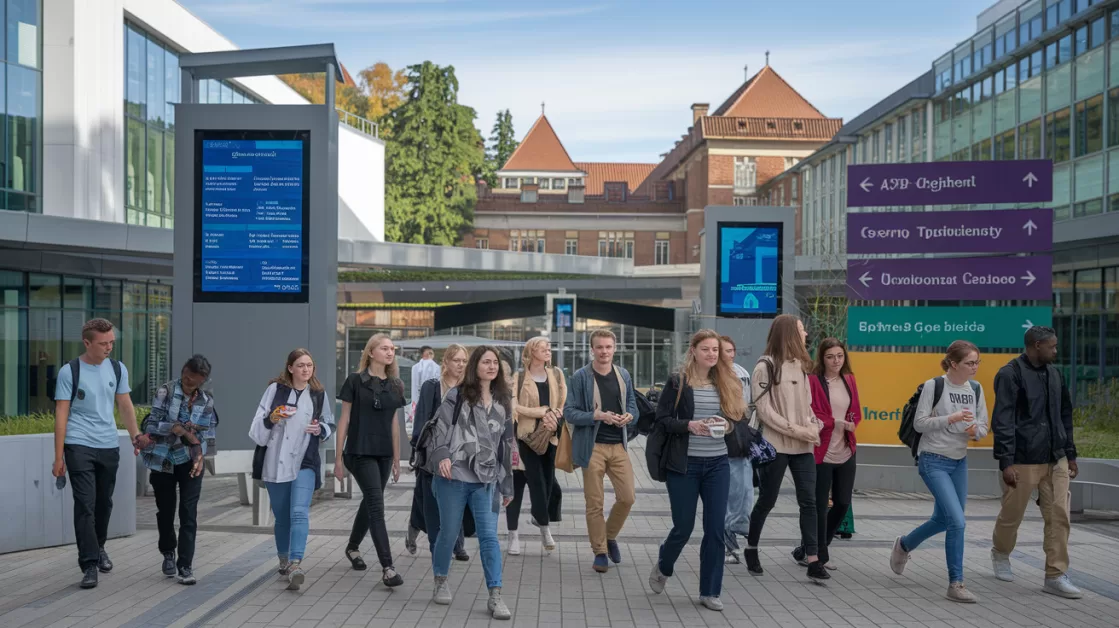
As we delve into the intricacies of global education, it’s crucial to understand how to navigate the diverse educational infrastructures found in different countries. This knowledge will empower students to make the most of their international experience.
Accessing support services for international students
Universities worldwide recognize the unique challenges faced by international students and offer various support services. Here’s a comparison of common support services:
Service Type | Description | Availability |
|---|---|---|
Academic Advising | Guidance on course selection and academic planning | Most universities |
Language Support | ESL classes, writing centers, conversation partners | Common in English-speaking countries |
Cultural Integration | Orientation programs, cultural events, buddy systems | Widely available |
Mental Health Services | Counseling, therapy sessions, stress management workshops | Increasingly common |
Career Services | Resume workshops, job fairs, internship opportunities | Available at most institutions |
To maximize these services, international students should:
Attend orientation sessions
Familiarize themselves with the university’s international student office
Proactively seek assistance when needed
Adapting to technology integration in education
The level of technology integration in education varies significantly across countries. Students may encounter:
Learning Management Systems (LMS) like Canvas or Blackboard
Online submission platforms for assignments
Virtual classrooms and video conferencing tools
Digital libraries and research databases
To adapt effectively:
Participate in technology orientation sessions
Explore online tutorials for unfamiliar platforms
Reach out to IT support services for assistance
Engage with classmates to share technology tips
Utilizing diverse learning resources and facilities
Educational institutions worldwide offer a range of learning resources and facilities. These may include:
Libraries with extensive physical and digital collections
Research laboratories and specialized equipment
Makerspaces and innovation hubs
Study abroad offices for further international experiences
To make the most of these resources:
Take guided tours of campus facilities
Attend workshops on using research databases
Join student groups related to your field of study
Explore opportunities for interdisciplinary collaboration
Understanding and effectively navigating these educational infrastructures will significantly enhance the international student experience. Next, we’ll explore the career advantages that come with a global education, highlighting how these diverse experiences can shape your professional future.
Career Advantages of Global Education
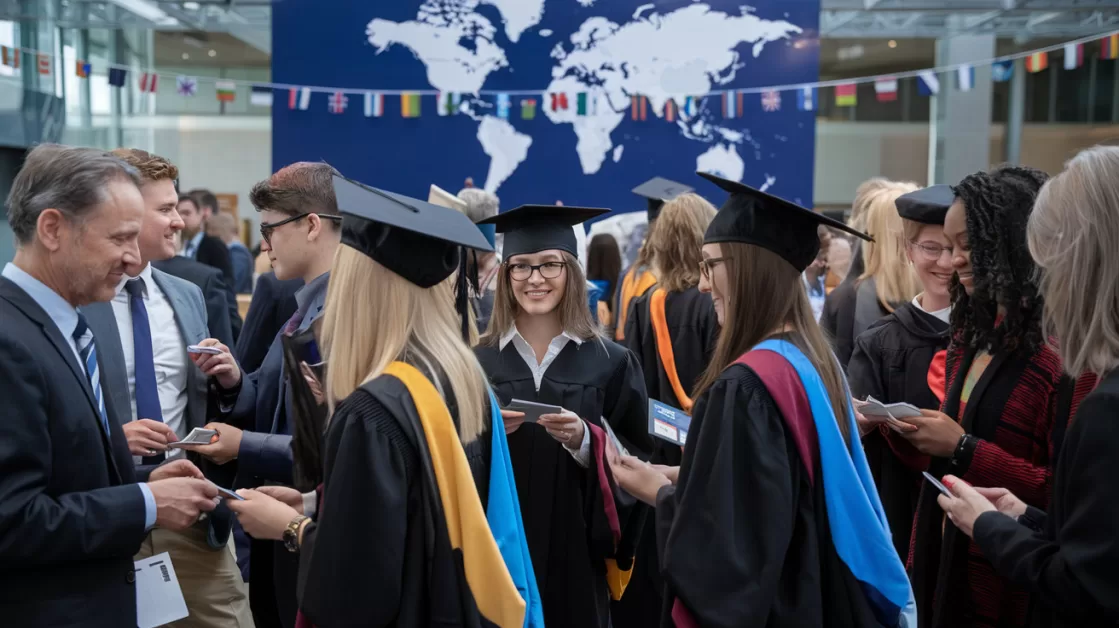
Global education offers numerous career advantages in today’s interconnected world. Let’s explore how studying abroad can significantly boost your professional prospects.
A. Expanding job prospects in a globalized market
In an increasingly globalized job market, international education experience sets you apart. Employers value candidates with:
-
Cross-cultural communication skills
-
Global awareness
-
Multilingual abilities
-
International network
These qualities make you an attractive candidate for multinational corporations and organizations with global operations.
B. Enhancing your resume with global competencies
Global education equips you with unique skills that enhance your resume:
|
Global Competency |
Description |
|---|---|
|
Cultural Intelligence |
Ability to work effectively across cultures |
|
Adaptability |
Flexibility in diverse environments |
|
Language Skills |
Proficiency in multiple languages |
|
Global Perspective |
Understanding of international issues and trends |
These competencies demonstrate your readiness for the global workforce.
C. Developing adaptability and resilience
Studying in different countries cultivates:
-
Problem-solving skills in unfamiliar situations
-
Emotional intelligence
-
Self-reliance
-
Ability to thrive in diverse environments
These qualities are highly valued by employers across industries.
D. Gaining international work experience through internships
Many global education programs offer internship opportunities, allowing you to:
-
Apply classroom knowledge in real-world settings
-
Build an international professional network
-
Gain hands-on experience in different business cultures
-
Explore potential career paths in various countries
This practical experience significantly enhances your employability and career prospects.
As we’ve seen, global education provides invaluable career advantages. Next, we’ll explore the challenges you might face in international education and how to overcome them.
Overcoming Challenges in International Education
Adapting to Different Living Arrangements
International students often face unique challenges when it comes to housing. From dormitories to homestays, each country offers diverse living options. Here’s a comparison of common living arrangements:
Living Arrangement | Pros | Cons |
|---|---|---|
University Dorms | Close to campus, social atmosphere | Limited privacy, potential noise |
Homestays | Cultural immersion, local support | Less independence, potential language barriers |
Private Apartments | Independence, privacy | Higher costs, more responsibilities |
Navigating Visa and Immigration Processes
Securing the right documentation is crucial for studying abroad. Students should:
Start the visa application process early
Gather all required documents, including proof of enrollment and financial stability
Familiarize themselves with local immigration laws and regulations
Keep track of visa expiration dates and renewal requirements
Dealing with Administrative Differences
Educational systems vary significantly across countries. To manage these differences effectively:
Research the host country’s academic calendar
Understand grading systems and credit transfer policies
Familiarize yourself with registration procedures and deadlines
Seek guidance from international student offices for administrative support
Managing Culture Shock and Homesickness
Adjusting to a new culture can be challenging. To cope with culture shock and homesickness:
Join international student groups or clubs
Participate in local cultural events
Maintain regular contact with family and friends back home
Establish a routine that includes self-care activities
Explore your new surroundings and embrace the local culture
By addressing these challenges proactively, international students can enhance their educational experience abroad and make the most of their global learning opportunity. With proper preparation and a positive attitude, overcoming these hurdles can lead to personal growth and a truly enriching international education journey.
Conclusion
Global education experiences shape students in profound ways, offering a unique blend of academic and personal growth opportunities. From immersing in diverse cultures to adapting to varied academic systems, international students gain invaluable skills that extend far beyond the classroom. The challenges of navigating different educational infrastructures and overcoming cultural barriers ultimately contribute to a more well-rounded, adaptable individual.
As the world becomes increasingly interconnected, the advantages of a global education in today’s job market cannot be overstated. Employers value the cross-cultural competence, language skills, and adaptability that international students bring to the table. By embracing the opportunity to study abroad, students not only enrich their educational journey but also position themselves for success in an increasingly globalized workforce. Best Car reviews in India
Ready to explore? Start your visa application today and get one step closer to your adventure!
Don’t let uncertainties hold you back. Our team of expert overseas education consultants is readily available to assist you. Whether you have inquiries about:
- Specific document requirements
- Interview preparation tips
- Visa application timelines
We’re ready to provide personalized guidance tailored to your unique situation. Get in Touch Today at: +919041818122 and begin your journey with Vrinda International.
The information provided in this blog is for general guidance purposes only. Visa policies, application procedures, and fees are subject to change without prior notice. For the most accurate and up-to-date details, we recommend contacting us directly or consulting official sources. Feel free to reach out to us for personalized assistance with your visa application or travel needs.
FAQ - Frequently Asked Question
1. What is student life like for international students in different countries?
Student life can vary greatly depending on the country. Factors such as culture, social norms, and education systems influence the overall experience, including class structure, extracurricular activities, and social interactions.
2. How do cultural differences impact the educational experience for international students?
Cultural differences can affect classroom dynamics, communication styles, and expectations regarding participation and behavior. Understanding these differences is crucial for adapting and succeeding academically.
3. Which countries are considered the best for international students?
Countries like the USA, UK, Canada, Australia, Germany, and New Zealand are popular among international students due to their high-quality education systems, diverse cultures, and supportive environments.
4. How can international students adapt to a new educational system?
International students can adapt by researching the educational practices of their host country, seeking support from academic advisors, engaging with local students, and participating in orientation programs.
5. What should international students expect in terms of social life abroad?
Social life can vary widely, but students can expect to engage in cultural events, join clubs and societies, and participate in social gatherings, providing ample opportunities to meet new people and make friends.
6. Are there any challenges international students face while studying abroad?
Challenges can include language barriers, homesickness, cultural adjustment, and navigating the education system. It’s important for students to seek support and utilize resources available at their institutions.
7. How can international students make the most of their study abroad experience?
Students can maximize their experience by engaging with the local community, exploring the culture, building a diverse social network, and taking advantage of academic and extracurricular opportunities.
8. What resources are available for international students to help them adapt?
Many universities offer resources such as international student offices, counseling services, cultural workshops, and student organizations that provide support and guidance for adapting to life abroad.
9. How does the cost of living vary for international students in different countries?
The cost of living can differ significantly between countries and even cities within the same country. It’s essential for students to research living expenses, including accommodation, food, transportation, and leisure activities.
10. Can international students work while studying abroad?
Many countries allow international students to work part-time while studying, providing opportunities to gain experience and support their living expenses. However, specific regulations may vary, so it’s essential to check the local laws and university policies.