Germany faces a massive skilled worker shortage that’s only getting worse. By 2026, this crisis will create unprecedented opportunities for international professionals who can speak German fluently.
This guide is for ambitious professionals, recent graduates, and skilled workers who want to capitalize on Germany’s desperate need for talent across multiple industries.
The numbers tell the story: Germany needs 7 million skilled workers by 2035, yet most international candidates get overlooked because they lack German language skills. While others compete for English-speaking roles, you can tap into a much larger job market by learning German now.
Here’s what we’ll cover: First, we’ll break down Germany’s current skilled worker shortage and why German language skills give you a massive competitive advantage in 2026’s job market. Then, we’ll explore which industries are hiring the most German speaking professionals and offer the best career opportunities. Finally, you’ll get a practical roadmap for professional German learning that positions you perfectly for Germany’s booming job market.
The window is closing fast. Companies are already raising salaries and relaxing requirements to attract talent, but they still prioritize candidates who can communicate in German. Start learning now, and you’ll be ready when these opportunities peak in 2026.
Current State of Germany’s Labor Market Crisis

Critical shortage statistics across key industries
Germany’s skilled worker shortage has reached unprecedented levels, with over 2 million unfilled positions across critical sectors in 2024. The Bundesagentur für Arbeit reports that STEM fields alone account for 680,000 vacant roles, while healthcare desperately needs 200,000 additional professionals. Manufacturing industries face a 15% vacancy rate, creating bottlenecks in production chains that ripple through the entire economy.
Most affected sectors demanding immediate attention
Healthcare leads the crisis with nursing shortages affecting patient care quality nationwide. Engineering and IT sectors struggle to fill software development, mechanical engineering, and renewable energy positions. Construction faces massive gaps in skilled trades, delaying infrastructure projects worth billions of euros. The automotive industry, Germany’s economic backbone, cannot find enough specialists for electric vehicle development and advanced manufacturing processes.
Economic impact on GDP and productivity growth
This Germany skilled worker shortage costs the economy approximately €100 billion annually in lost productivity. GDP growth projections for 2026 have been revised downward by 0.8% due to labor constraints. Companies report delayed projects, reduced innovation capacity, and increased wage pressure as competition for available talent intensifies. Export capabilities suffer as manufacturers cannot meet international demand, threatening Germany’s position as Europe’s industrial powerhouse.
Why German Language Skills Are Your Competitive Advantage

Stand out from English-only international candidates
Speaking German sets you apart in a crowded field of international applicants competing for Germany’s skilled worker positions. While English proficiency remains common among global talent, German fluency demonstrates genuine commitment to integrating into the local market. Employers receive countless applications from candidates who rely solely on English, but those who invest in learning German show they’re serious about building a long-term career in Germany rather than treating it as a temporary stepping stone.
Access higher-paying positions requiring native-level communication
German language skills unlock premium career opportunities that remain hidden from English-only professionals. Senior management roles, client-facing positions, and specialized technical jobs often require native-level German communication, commanding significantly higher salaries. These positions involve complex negotiations, regulatory compliance, and team leadership that demand cultural nuance only achieved through advanced German proficiency. Companies pay substantial premiums for professionals who can seamlessly operate in German-speaking environments.
Fast-track your visa and residency applications
Strong German language skills accelerate your immigration timeline and improve approval odds for work visas and permanent residency. Immigration authorities view German proficiency as evidence of successful integration potential, often prioritizing applications from candidates who demonstrate B2 or C1 level competency. Language certificates can reduce processing times and strengthen your case for skilled worker visas, EU Blue Cards, and eventual citizenship applications, making your transition to Germany smoother and more predictable.
Build trust with German employers and colleagues
German fluency creates authentic professional relationships that drive career advancement in ways English communication cannot match. Colleagues appreciate the effort to communicate in their native language, leading to stronger mentorship opportunities, informal knowledge sharing, and inclusion in strategic discussions. German employers trust German-speaking employees with sensitive projects, client relationships, and leadership responsibilities more readily, recognizing their ability to navigate cultural expectations and communicate with precision.
Industries Where German Fluency Opens Doors
Engineering and Manufacturing Opportunities
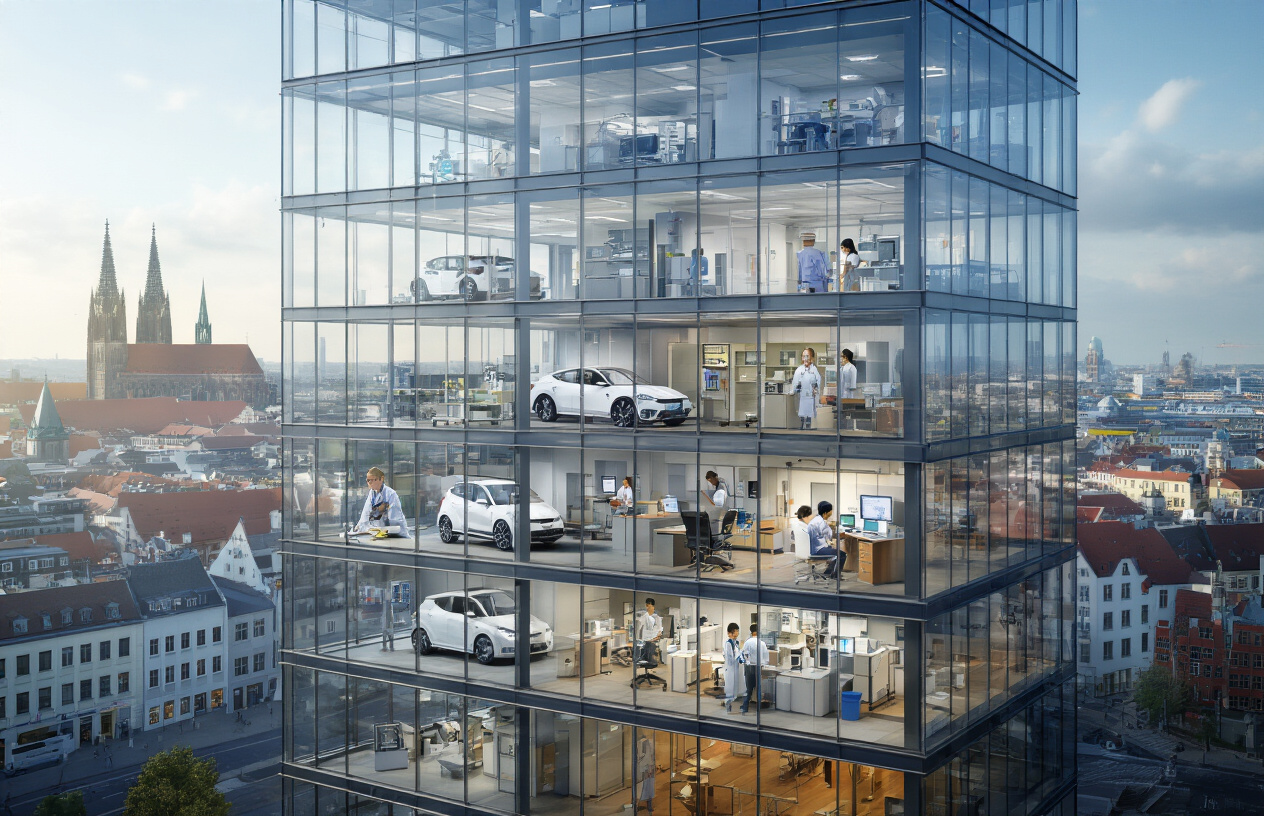
Germany’s manufacturing backbone desperately needs skilled professionals, especially with advanced German language skills. Major automotive companies like BMW, Mercedes-Benz, and Volkswagen are actively recruiting international talent for engineering roles. Machine operators, quality control specialists, and production managers with German fluency command premium salaries. The Industrie 4.0 initiative has created thousands of positions requiring both technical expertise and German communication skills for cross-functional collaboration.
Healthcare and Medical Professional Demand
The healthcare sector faces critical staffing shortages across all levels. Hospitals and clinics are fast-tracking visa applications for nurses, doctors, and medical technicians who demonstrate German proficiency. Medical German certification significantly speeds up credential recognition processes. Specialized roles in geriatric care, emergency medicine, and surgical assistance offer excellent career prospects. Patient interaction requirements make German language skills non-negotiable for most healthcare positions.
IT and Technology Sector Growth
Berlin, Munich, and Hamburg have emerged as major tech hubs attracting global talent. Software developers, data analysts, and cybersecurity specialists with German language abilities access exclusive opportunities with local startups and multinational corporations. German tech companies prefer candidates who can communicate with domestic clients and participate in German-language technical documentation. The fintech and automotive software sectors particularly value professionals who bridge technical expertise with German business culture understanding.
Finance and Business Services Expansion
Frankfurt’s position as Europe’s financial capital creates constant demand for German-speaking finance professionals. Investment banking, corporate finance, and risk management roles require regular client interaction in German. International accounting firms and consulting companies prioritize candidates with German fluency for their German market operations. Business development positions targeting German-speaking markets offer accelerated career advancement opportunities for multilingual professionals.
Strategic Learning Path for Professional German

Focus on industry-specific vocabulary and terminology
Start with technical terms from your target sector—engineering, healthcare, IT, or manufacturing. German industries use specialized language that differs significantly from everyday German. Software developers need terms like “Datenverarbeitung” and “Softwareentwicklung,” while healthcare professionals must master “Patientenversorgung” and medical protocols. Create flashcards for industry jargon and study German trade publications to build relevant vocabulary that hiring managers expect.
Master formal business communication skills
German business culture demands precise, formal communication. Learn to write professional emails using proper salutations like “Sehr geehrte Damen und Herren” and closing phrases such as “Mit freundlichen Grüßen.” Practice drafting reports, proposals, and presentations in German. Focus on passive voice constructions and subjunctive mood, which appear frequently in formal documents. German business German differs vastly from casual conversation, requiring structured sentence patterns and respectful language that demonstrates professional competence.
Understand workplace culture and etiquette
German workplaces operate on punctuality, directness, and hierarchy respect. Address colleagues with “Sie” until invited to use “Du,” and always use titles like “Herr Doktor” or “Frau Ingenieur” when appropriate. Learn meeting protocols—Germans appreciate structured agendas and expect everyone to arrive precisely on time. Understand the concept of “Feierabend” (end of workday) and respect work-life boundaries. Small talk differs from American standards; Germans prefer direct, purposeful conversations about work topics rather than personal chitchat.
Leverage online resources and certification programs
Pursue TestDaF or DSH certifications for academic recognition, while telc focuses on professional German language skills career development. Use apps like Babbel for Business German or FluentU for authentic workplace content. Join LinkedIn groups for German professionals in your industry. Access free resources through Deutsche Welle’s business German courses and Goethe Institute materials. Consider intensive online programs from German universities that offer industry-specific modules tailored to skilled immigration Germany requirements.
Practice with native speakers in professional settings
Connect with German professionals through industry associations, virtual conferences, and professional networking events. Join German chambers of commerce in your country or participate in trade delegations. Use platforms like HelloTalk or Tandem to find conversation partners working in your field. Attend German business meetups and industry workshops. Consider informational interviews with German companies to practice professional German while building valuable connections. These interactions provide real-world context for German language competitive advantage in today’s job market.
Maximizing Your Career Prospects by 2026

Timeline for achieving professional-level German proficiency
Reaching professional-level German fluency typically takes 18-24 months with dedicated study. Start with intensive courses covering A1-B1 levels in 6-8 months, then focus on business German and industry-specific vocabulary. Practice speaking daily through language exchanges, consume German business media, and aim for C1 certification by late 2025. This timeline positions you perfectly for Germany’s skilled worker shortage opportunities in 2026.
Networking strategies within German-speaking business communities
Join German-American business associations, attend virtual meetups hosted by German companies, and connect with professionals on XING (Germany’s LinkedIn equivalent). Participate in German trade fairs, webinars, and industry conferences to build relationships. Engage with German business content on social media, comment thoughtfully in German, and share relevant insights. These connections often lead to job referrals and insider knowledge about opportunities in Germany’s competitive job market.
Positioning yourself for long-term career advancement
German language skills career advancement requires strategic positioning beyond basic fluency. Focus on learning industry-specific terminology, understanding German business culture, and obtaining recognized certifications. Build a portfolio showcasing German-language projects, volunteer with German organizations, and consider temporary assignments or internships in Germany. As the skilled labor shortage Germany intensifies, bilingual professionals with German speaking jobs experience will command premium salaries and faster promotion tracks through 2026 and beyond.

Germany’s job market tells a clear story – skilled workers who speak German have the winning edge. While the country desperately needs talent across industries like engineering, healthcare, IT, and manufacturing, language barriers still block many qualified professionals from landing their dream roles. The numbers don’t lie: German speakers consistently earn higher salaries, get promoted faster, and have access to opportunities that remain hidden from their monolingual counterparts.
Starting your German learning journey now puts you ahead of the competition for 2026. Focus on industry-specific vocabulary, build professional networks with German speakers, and practice real workplace scenarios. The investment you make today in mastering German will pay off with better job security, higher earning potential, and the chance to work for some of the world’s most innovative companies. Don’t wait for the perfect moment – Germany’s skilled worker shortage isn’t going anywhere, but the early movers will claim the best positions.