A college degree used to be the golden ticket. You earned it, put it on your resume, and doors opened. But right now, companies like Google, IBM, and Accenture are hiring people without degrees at all. Over 81% of employers say they're prioritizing skills over credentials. Something big has shifted.
And yet, most people are still following the old playbook. They're spending years and tens of thousands of dollars on a traditional education, only to hear from hiring managers that they lack the very skills the job actually requires. The gap between what schools teach and what the market demands is growing fast, especially as AI reshapes entire industries in real time.
So what should you actually be learning right now? This post breaks down the 10 specific skills projected to matter most by 2035. Some are technical. Some are deeply human. All of them are already influencing who gets hired, who gets promoted, and who gets left behind.
The Shifting Landscape: From Degrees to a Skills-Based Economy by 2035
The Evolving Value of Traditional Degrees
The college degree isn't dead, but it's definitely not the golden ticket it used to be.
Here's the reality. Projections show that 72% of jobs in the US will require some form of postsecondary education or training by 2031. That sounds like great news for universities, right? Not exactly. Employers are increasingly frustrated because graduates show up without the skills they actually need. We're talking about basics like using digital tools effectively, communicating clearly with teams, and solving real problems on the fly.
The disconnect is glaring. Students spend four years and often hundreds of thousands of dollars earning degrees, yet many still can't demonstrate the practical capabilities that modern workplaces demand. Public trust in higher education sits at just 42% according to Gallup research, and it's not hard to see why. Tuition costs keep climbing while starting salaries remain disappointingly flat. Parents and students alike are asking the uncomfortable question: is this really worth it?
Don't get me wrong. Traditional degrees still offer valuable things. They provide a broad intellectual foundation and help students develop crucial soft skills like teamwork, communication, and critical thinking. College teaches you how to learn, how to work with diverse groups, and how to tackle complex challenges. These aren't small things.
But they're no longer enough on their own. Employers today want proof, not promises. They want to see what you can actually do, not just what you studied. A diploma might get your resume past the first filter, but it won't land you the job if you can't demonstrate real-world capabilities. Companies need people who can contribute from day one, not employees who need months of training just to become functional.
The Rise of the Skills-First Approach
The job market is undergoing a massive transformation. Welcome to the skills-based economy, where what you can do matters more than where you studied.
The numbers tell the story. Over 81% of employers now use skills-based hiring practices.
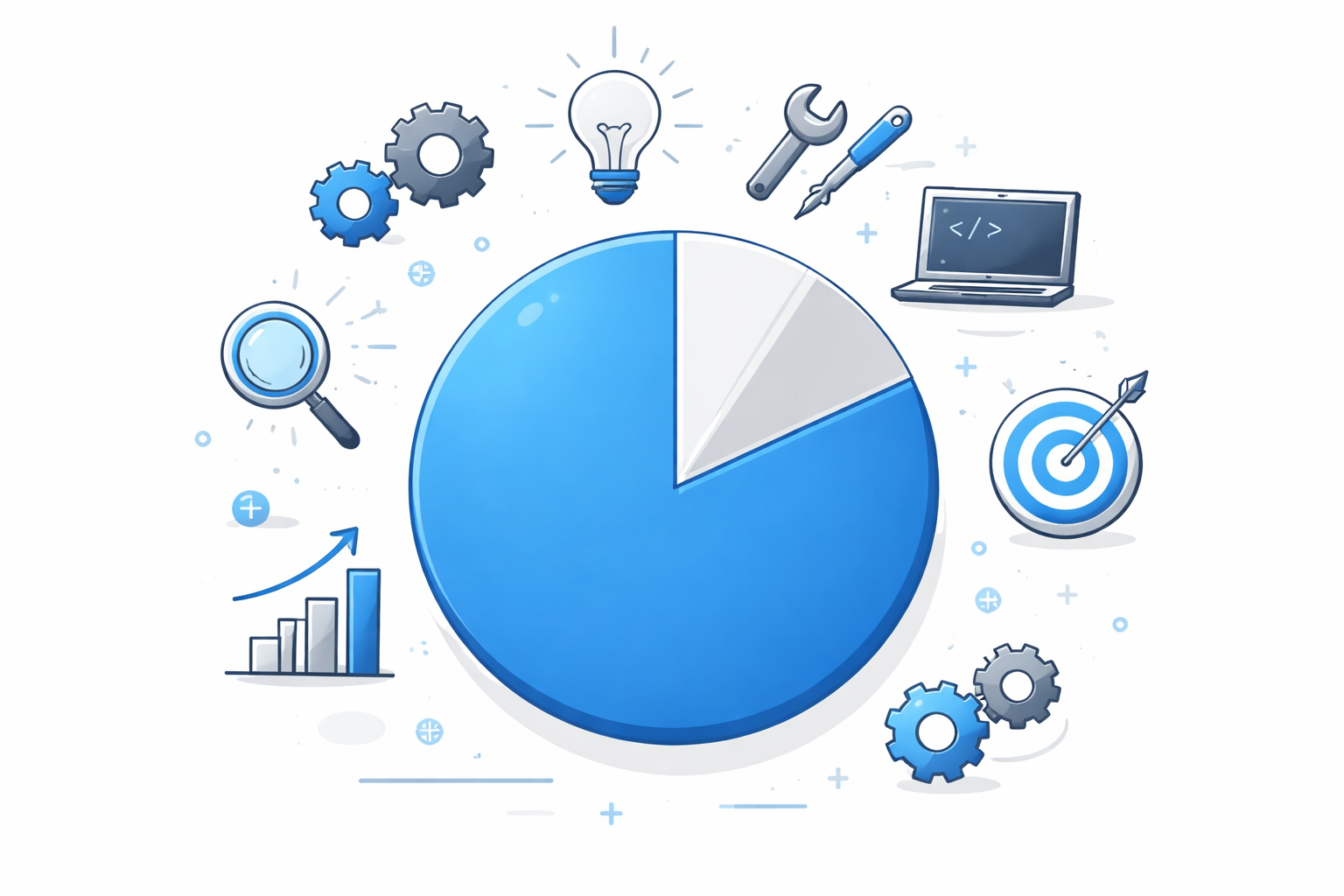 That's not a trend. That's a revolution. Companies are fundamentally changing how they evaluate candidates, shifting their focus from pedigree to performance.
This new approach looks completely different from traditional hiring. Instead of requiring a four-year degree, employers are embracing modular learning and credential stacking. Think about combining a programming bootcamp certificate with a UX design course and a project management credential. Each piece adds to your capability portfolio, and you can build them progressively throughout your career. It's like collecting power-ups in a video game, except these actually boost your earning potential.
Competency-based education is taking center stage. This model measures what you can demonstrate, not how many hours you spent in a classroom. Can you build a functional app? Great. Can you analyze complex datasets and present insights clearly? Even better. Can you lead a team through a difficult project? You're exactly who employers want.
Major corporations are leading the charge. IBM, Google, and Accenture have all removed degree requirements for many of their roles. These aren't small companies taking risky bets. These are industry giants that have analyzed millions of data points and concluded that verified skillsets matter more than diplomas. They're partnering directly with credential providers, online learning platforms, and bootcamps to identify talent based on demonstrable abilities.
The infrastructure is evolving too. Digital skill wallets and verified resumes are expected to become the standard currency of opportunity by 2030. Imagine a portable record of every skill you've mastered, every project you've completed, and every competency you've demonstrated. Blockchain technology and secure credentialing systems will let you showcase your exact value to potential employers instantly.
The Accelerating Impact of AI on Job Requirements
Artificial intelligence isn't just changing jobs. It's completely rewriting the rulebook for what humans need to bring to the workplace.
Technological change, particularly AI, is disrupting the labor market faster than anyone predicted. Jobs that seemed secure five years ago are now at high risk of displacement.
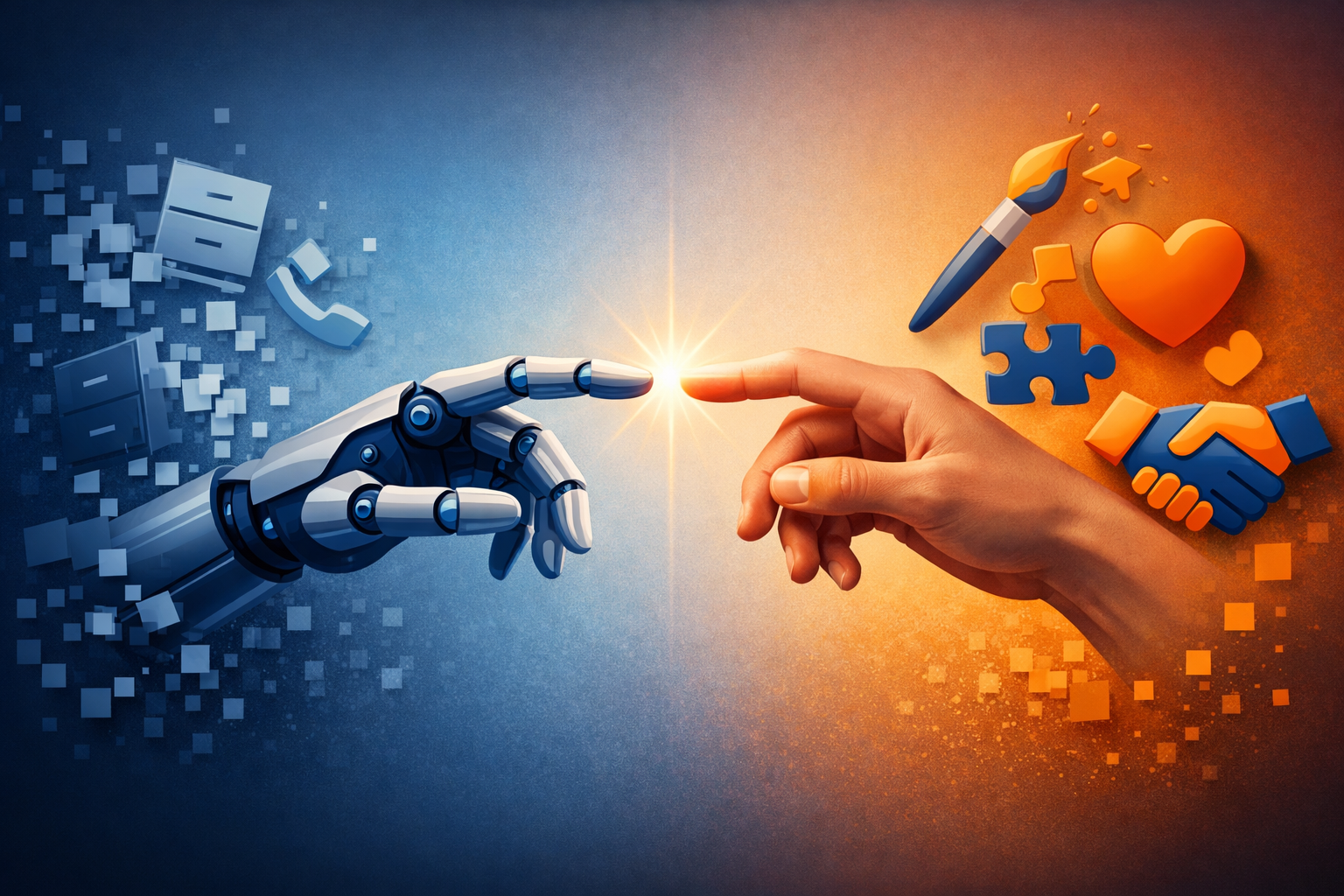 Administrative roles, customer service positions, and routine data entry jobs are being automated at breakneck speed. AI can handle these tasks more efficiently, more accurately, and without needing coffee breaks.
But here's where it gets interesting. AI excels at routine cognitive tasks, the repetitive thinking work that follows predictable patterns. What it can't easily replicate are the uniquely human skills like creative problem solving, emotional intelligence, and adaptive thinking. The challenge is that if we rely too heavily on AI to do our thinking for us, we risk losing the intellectual rigor and foundational skills that drive innovation.
The pace of change keeps accelerating. Employers want graduates who can start contributing immediately. Students expect flexible learning options that fit their lives and budgets. Governments and private sectors are pouring billions into upskilling and reskilling programs because they recognize the urgency.
Platforms like Future Ready Careers by Vikas have emerged specifically to help professionals navigate these rapid shifts. They provide practical insights into AI-driven industries, breaking down which skills are gaining value and which are becoming obsolete. For someone trying to plan their career in this chaotic environment, having access to current data on hiring trends and skill demands isn't just helpful. It's essential.
The bottom line? By 2035, your ability to adapt, learn quickly, and demonstrate relevant skills will matter far more than any single degree you earned years ago. The future belongs to the continuously curious, not the permanently credentialed.
Top 10 Future Skills That Will Define Career Success
Essential Human and Cognitive Skills
The robots aren't taking all our jobs, but they are changing which human abilities matter most.
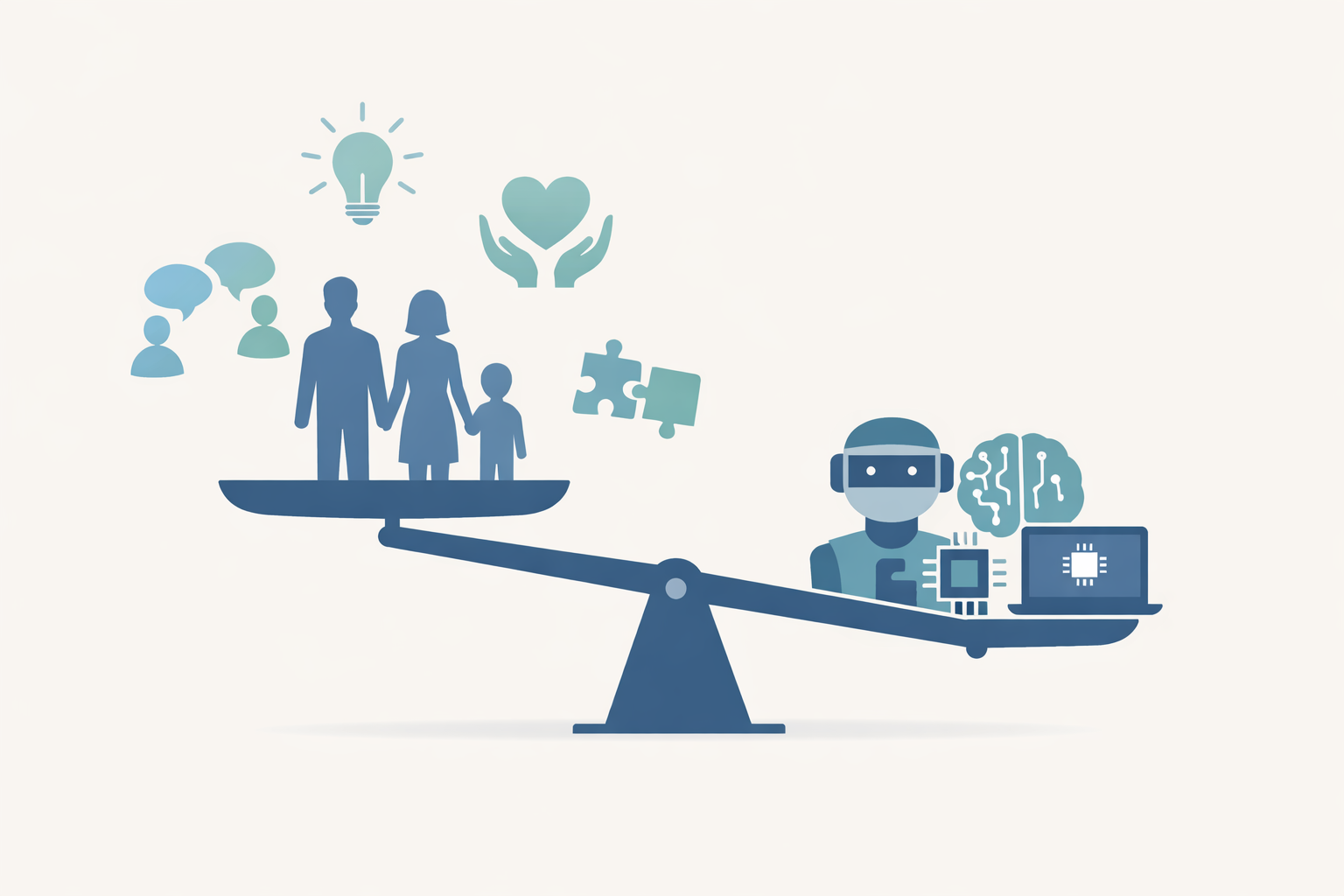 By 2035, what researchers call Essential Employment Skills will become the real differentiators in the workplace. You can't automate empathy, creativity, or the ability to work through complex problems with a diverse team.
Collaboration tops the list because today's challenges are too complex for solo acts. Teams span time zones, cultures, and disciplines. Communication isn't just about speaking clearly anymore. It means translating technical concepts for non-technical stakeholders, reading the room in virtual meetings, and adapting your message across platforms.
Creative thinking has moved from "nice to have" to mission critical. When AI handles routine analysis, your value lies in asking the questions the algorithm never considered. Information literacy matters just as much. We're drowning in data but starving for wisdom. The skill to evaluate sources, spot misinformation, and synthesize insights from noise separates the valuable from the replaceable.
Here's what catches people off guard: organizing, planning, and prioritizing are accelerating in importance. Counterintuitive, right? But in a world of constant change and competing priorities, the ability to structure chaos becomes powerful. Problem-solving and decision-making round out these fundamentals because machines can suggest options, but humans still need to weigh trade-offs, consider ethics, and make judgment calls when the data is incomplete.
The next tier of human skills includes resilience, flexibility, and agility. Careers won't follow straight lines anymore. You'll pivot, restart, and reinvent yourself multiple times. Curiosity and lifelong learning aren't personality traits; they're survival skills. Leadership and social influence become essential even in individual contributor roles because modern work demands that you influence without authority and guide others through uncertainty.
Talent management extends beyond HR departments now. Everyone needs to identify potential, mentor others, and build networks that create opportunity. These skills complement technical expertise rather than replace it. You might be brilliant at coding, but if you can't collaborate, communicate your ideas, or adapt when priorities shift, that brilliance has limited reach.
In-Demand Technological Proficiencies
Let's be direct. Technological skills are growing faster than any other category. Not because technology is everything, but because it touches everything. AI and big data sit at the top of employer wish lists. You don't need to become a data scientist, but understanding how algorithms make decisions and what insights your company's data reveals? That's becoming baseline.
Networks and cybersecurity climb the priority ladder as digital threats evolve. Companies are desperately seeking people who can protect systems while keeping them accessible. Technological literacy means more than knowing your way around Microsoft Office. It means understanding how different technologies connect, where automation makes sense, and when the human touch matters more.
Proficiency in digital tools gives graduates an immediate advantage. Cross-functional capabilities matter because today's projects rarely fit inside neat departmental boxes. You might need to pull data, visualize it, present findings, and collaborate with engineers and marketers in the same week.
The real skill isn't mastering one specific technology. It's the ability to quickly develop and deploy new technical skills as tools evolve. This adaptability becomes vital for economic resilience and competitiveness at both individual and organizational levels. The programming language you learned yesterday might be less relevant tomorrow, but your ability to learn the next one remains constant.
Cultivating a Lifelong Learning Mindset
Education doesn't end at graduation anymore. That diploma is your starting line, not your finish. The most successful people by 2035 will view learning as a continuous journey, revisiting education periodically to stay current and adapt to shifting demands.
The numbers tell the story.
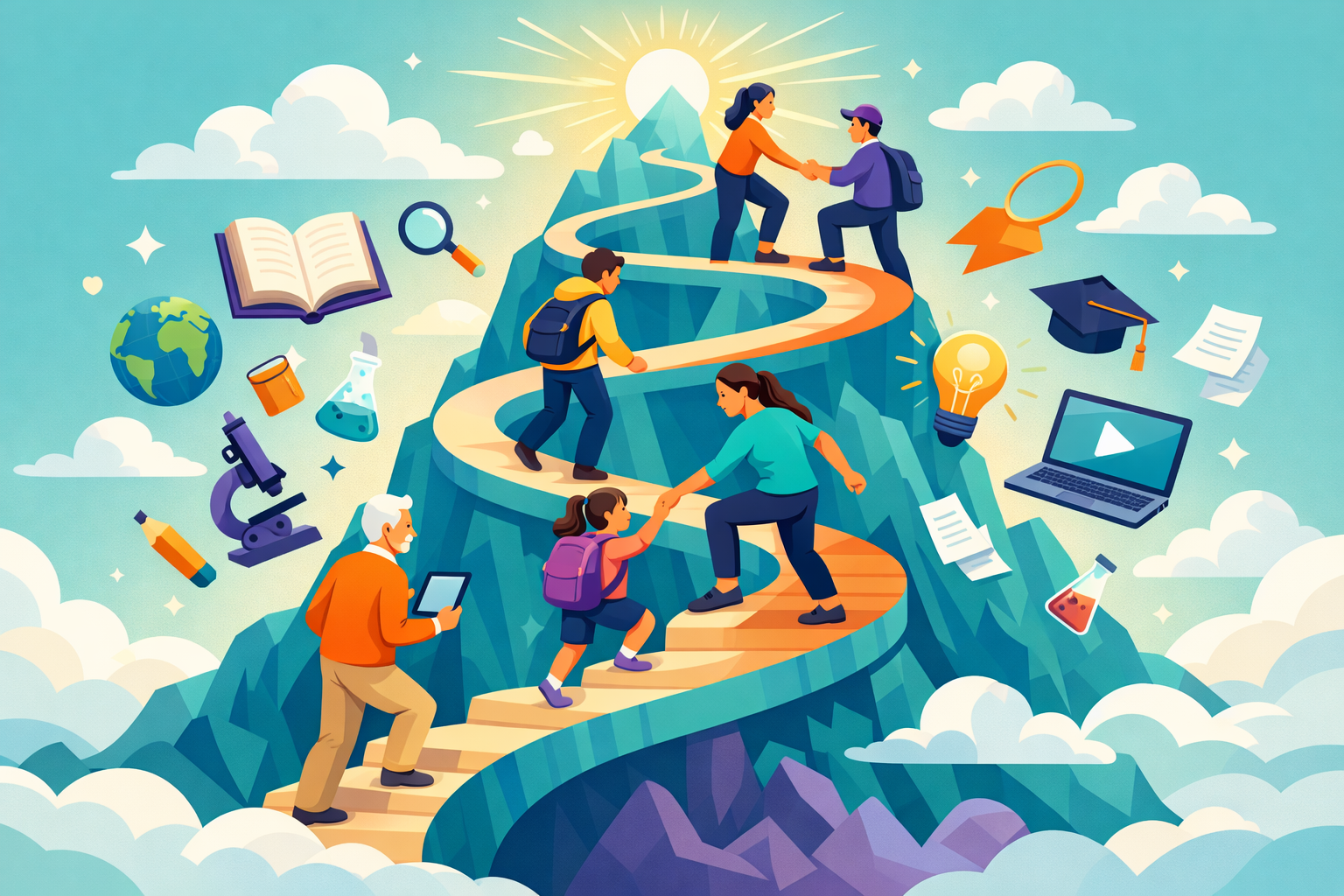 Over half of people are already actively pursuing skill development, with 8 in 10 focused on future-proofing their careers. This isn't paranoia. It's pragmatism. The skills you bank on today might depreciate like a new car driven off the lot.
Businesses see this shift coming. Companies are increasingly investing in reskilling and upskilling programs to align their workforce with evolving demands. Smart employers recognize that hiring for potential and training for skills often beats the impossible search for unicorn candidates who check every box.
Your mindset matters more than your starting point. Approach each project as a chance to learn something new. Seek feedback aggressively. Stay curious about adjacent fields. The person who combines marketing savvy with data literacy and basic coding skills becomes more valuable than three specialists working separately.
Platforms like Future Ready Careers by Vikas emphasize this continuous learning approach, helping readers identify which skills to develop and when. The focus isn't on collecting certificates for their own sake. It's about building capabilities that compound over time, making you more adaptable and valuable regardless of how industries shift or job titles evolve.