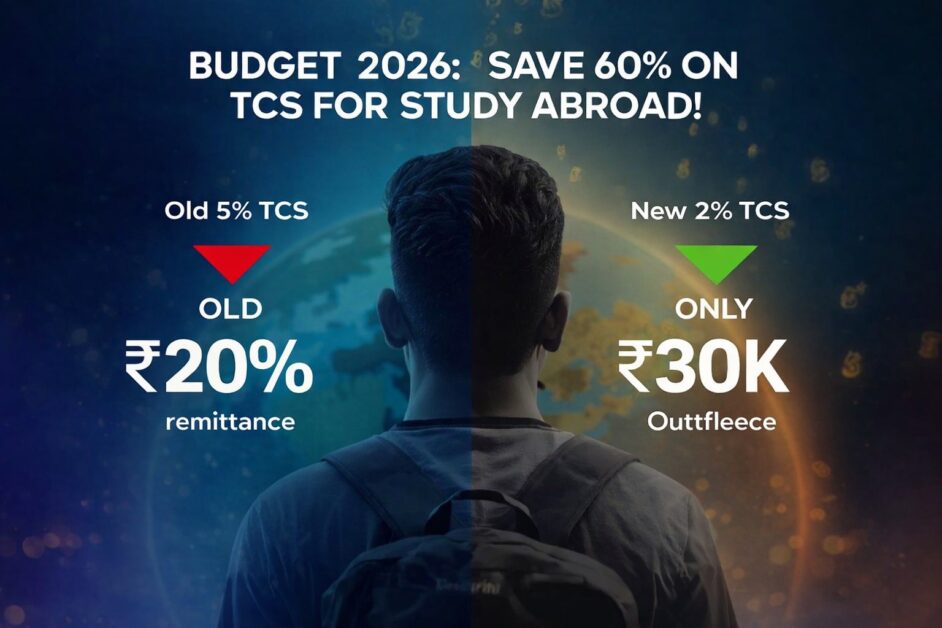
The Financial Challenge: Understanding the Cost of International Education for Indian Families
Breaking Down the Real Costs: Tuition, Living Expenses, and Hidden Fees
For Indian families, the price tag of international education often creates the first major hurdle. Annual tuition at top US universities ranges from ₹30-50 lakhs ($40,000-70,000), while UK universities typically cost ₹25-35 lakhs ($30,000-45,000). This stands in stark contrast to the average Indian household income of approximately ₹3-6 lakhs annually, as reported by IIE Open Doors data.

Beyond tuition lies a world of additional expenses that many families discover too late. Accommodation costs in cities like London, New York, or Sydney can reach ₹12-18 lakhs yearly. Health insurance premiums (mandatory in most countries) add another ₹60,000-1.5 lakhs annually. Round-trip flights (₹80,000-1.5 lakhs) and living expenses (₹8-12 lakhs yearly) further inflate the total.
The currency exchange factor adds another layer of complexity. Many families who didn’t account for the rupee’s depreciation against the dollar or pound have found themselves short on funds midway through programs. Successful families like the Mehtas from Pune created buffer funds of 10-15% beyond calculated expenses, protecting against currency fluctuations during their daughter’s four-year program in Canada.
The ROI Perspective: Is International Education Worth the Investment?
Despite the steep costs, data supports the long-term value of international education. Engineering graduates from top US universities command starting salaries approximately 2-3 times higher than their counterparts from Indian institutions.
 QS Global Employer Survey data shows that international graduates in STEM, business, and healthcare fields typically recover their education investment within 5-7 years.
The networking advantages and global career mobility prove equally valuable. Rohit, an MBA graduate from INSEAD, leveraged his international alumni network to secure a position at a multinational firm with a compensation package that helped him clear his study loans within three years.
Common Financial Misconceptions Among Indian Families
Many families mistakenly believe international education remains exclusive to the ultra-wealthy. However, numerous middle-class Indian families successfully fund these dreams through strategic combinations of savings, scholarships, and study loans.
Another common misconception involves waiting until 100% of funds are accumulated before applying. Successful families typically secure 40-60% of costs through savings while strategically planning for the remainder through various funding sources.
Vrinda International’s Education Loan Counselling specialists help families create realistic funding roadmaps based on the student’s specific course and university choices. Their Financial Planning services have helped families like the Shahs from Ahmedabad understand exactly how much they needed to save versus what they could cover through loans and scholarships. As their counselor explained, “Different countries, universities and programs have vastly different cost structures and funding opportunities, making personalized planning essential for every family.”
Scholarship Success Stories: How Indian Students Secured Partial to Full Funding
Merit-Based Academic Scholarships: The Competitive Edge
Riya Sharma from Mumbai transformed her family’s financial situation by securing a 75% tuition waiver at Cornell University. Her strategy wasn’t overnight success but methodical preparation beginning two years before applications. Maintaining a 9.8 CGPA throughout her undergraduate program while publishing two research papers gave her the academic credentials universities prize. Riya’s parents, both government employees, admit they couldn’t have afforded the full $76,000 annual cost without this scholarship.
“The key was starting early,” explains Riya. “I identified target universities by my junior year and tailored my research and extracurriculars to match their programs.” Her GRE score of 329 directly translated to additional funding, as many universities use standardized test thresholds for scholarship tiers.
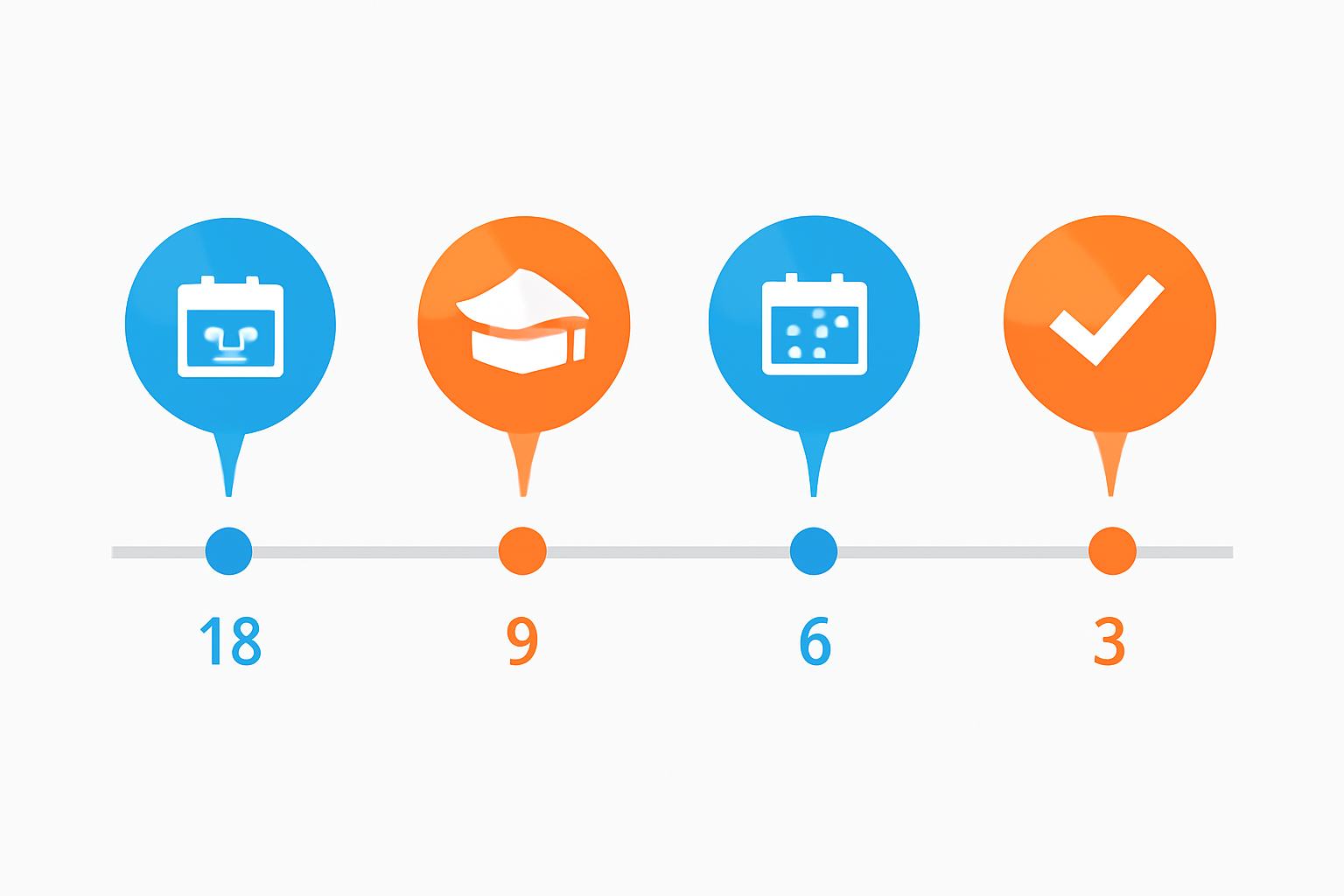
Successful scholarship applicants typically follow a 12-18 month preparation timeline, according to international education experts. Applications for merit scholarships should be submitted 3-6 months before regular university deadlines, with 30% of successful Indian applicants completing their standardized tests at least 9 months before applying.
Country-Specific and Government-Funded Opportunities
Arjun Mehta’s journey to London School of Economics began when he identified the Chevening Scholarship, which covered his entire £35,000 program cost plus living expenses. “I was rejected the first time,” Arjun confesses. “The second year, I strengthened my leadership experience and crafted my essays around my community development work.”
The Chevening program accepts approximately 1,500 scholars globally with Indian students representing one of the largest recipient groups.
 Similarly, Germany’s DAAD scholarships have funded over 3,000 Indian students, while Commonwealth Scholarships support roughly 300 Indians annually.
Lesser-known scholarships like the New Zealand Excellence Awards and the Orange Tulip Scholarship for the Netherlands are specifically available to Indian students but receive fewer applications. As specialists at Vrinda International often advise during their Scholarship Identification sessions, these opportunities offer better success rates due to lower competition.
Unique Scholarship Approaches: Beyond Academics
Priya Krishnan from Chennai leveraged her social entrepreneurship background to secure full funding at Stanford. After founding a women’s skills development NGO during college, she documented its impact through case studies and data. “I highlighted how my Stanford education would multiply my organization’s impact,” she explains.
Many Indian students overlook specialized funding opportunities. Sports scholarships aren’t limited to professional athletes – demonstrated leadership through college-level sports often qualifies. Cultural scholarships through organizations like the Inlaks Foundation and diversity scholarships through corporate initiatives like the Google Anita Borg Memorial Scholarship have funded hundreds of Indian women in STEM fields.
“Scholarship success often comes from unexpected places,” notes a counselor from Vrinda International whose Scholarship Identification & Applications service helped Mumbai student Karan Singhania identify three niche scholarships aligned with his environmental advocacy work, resulting in combined funding opportunities worth $45,000.
Remember, the most successful study loan and scholarship applications combine academic excellence with compelling personal narratives. Smart planning begins with identifying opportunities where your unique profile stands out.
Education Loans: Strategic Approaches That Worked for Indian Parents
Public Sector vs. Private Bank Loans: Real Comparison Cases
When the Sharma family began exploring education loans for their daughter’s engineering program at the University of Toronto, they initially hesitated between SBI and private options. Ultimately, they secured an SBI education loan by pledging their family home as collateral, which unlocked a lower 8.35% interest rate and a loan amount of ₹30 lakhs.
In contrast, the Patel family chose HDFC Bank for their son’s business degree at NYU, despite higher interest rates (10.50%). Their decision hinged on faster processing—just 9 days compared to SBI’s 28-day timeline—a crucial factor as admission deadlines approached. While they paid more in interest, the Patels valued HDFC’s simpler documentation requirements and flexible repayment options, including the ability to prepay without penalties during their son’s internships.

“The right documentation makes all the difference,” explains Raj Sharma. “We prepared income tax returns for three years instead of the minimum two, included property valuation certificates from two separate valuers, and demonstrated a consistent saving pattern through bank statements.” These extra steps significantly improved their loan approval chances and helped secure better terms.
International Loan Options and Co-Signers
Vikram’s MBA dreams at INSEAD seemed financially impossible until his family discovered Prodigy Finance. With no collateral requirements and approval based on his future earning potential rather than current family assets, Vikram secured $70,000 without burdening his parents’ property.
“Indian students increasingly leverage international lenders like MPower Financing that don’t require co-signers,” notes a financial consultant at Vrinda International, whose Education Loan Counselling services help families navigate these options. “For students targeting US universities but whose parents lack US credit history, building relationships with alumni networks has proven effective for securing co-signer support.”
Loan Repayment Planning: Success Stories of Early Completion
Neha’s strategy to tackle her ₹25 lakh education loan demonstrates smart planning in action. By securing a campus library position and pursuing paid summer internships at Goldman Sachs, she reduced her loan burden by nearly 30% before graduation.
 “I committed to sending 85% of every internship paycheck directly to my loan account,” she explains.
Many Indian parents also maximize Section 80E tax benefits, deducting the entire interest paid on education loans from taxable income. The Kumar family saved approximately ₹1.2 lakhs annually through these deductions, effectively lowering their loan cost.
Brands like Vrinda International offer Financial Planning services that help families develop realistic repayment schedules based on expected post-graduation salary ranges in different countries. “We analyze industry-specific placement data to create customized repayment plans that account for living expenses in foreign countries while maximizing loan reduction,” their counselors explain.
Long-Term Financial Planning: Investment Strategies Indian Parents Used
Early Education-Specific Investments: The 10-Year Advantage
The Agarwal family from Delhi represents a perfect case study in long-term education planning. When their daughter Ishita turned 8, they opened a Sukanya Samriddhi Yojana account with monthly deposits of ₹12,500. Alongside this, they maximized their Public Provident Fund (PPF) contributions of ₹1.5 lakh annually. By the time Ishita was ready for her masters in the US at 21, these investments had grown to nearly ₹45 lakhs – covering almost 60% of her total education expenses.
“The key was starting early and being consistent,” explains Mr. Agarwal. “We treated her education fund like any other essential household expense.”
Successful families rarely put all their eggs in one basket.
 The Mehtas divided their education savings portfolio with 40% in equity mutual funds through SIPs, 40% in debt instruments like PPF and fixed deposits, and 20% in digital gold. When market volatility hit in 2020, their diversified approach ensured minimal impact on their daughter’s education timeline. Their equity investments delivered average annual returns of 12%, significantly outpacing education inflation.
Even families who begin just 5 years before applications see dramatic benefits. The Singhs started aggressive savings when their son was in 11th grade. By focusing on tax-free bonds and balanced mutual funds, they accumulated ₹25 lakhs in 5 years, reducing their study loan requirements by 40%.
Real Estate Assets and Education Funding
The Reddy family from Hyderabad took a different approach. They purchased a second apartment specifically as an education investment when their twins were 10. The property appreciated 85% over eight years, and they sold it just before the children’s undergraduate applications, generating ₹75 lakhs for their US education.
Some families leverage existing properties instead. The Khans used a reverse mortgage on their ancestral Delhi home, allowing them to access funds without selling the property. This provided ₹60 lakhs for their son’s MBA at INSEAD while preserving family heritage.
Timing matters tremendously with property investments. The Mathurs sold their investment property in phases – 50% two years before their daughter’s admission and 50% after receiving her acceptance letter. This approach helped them minimize capital gains tax liabilities while ensuring funds were available when needed.
Currency Hedging and International Banking Arrangements
The Malhotra family developed an innovative approach to manage currency risk.
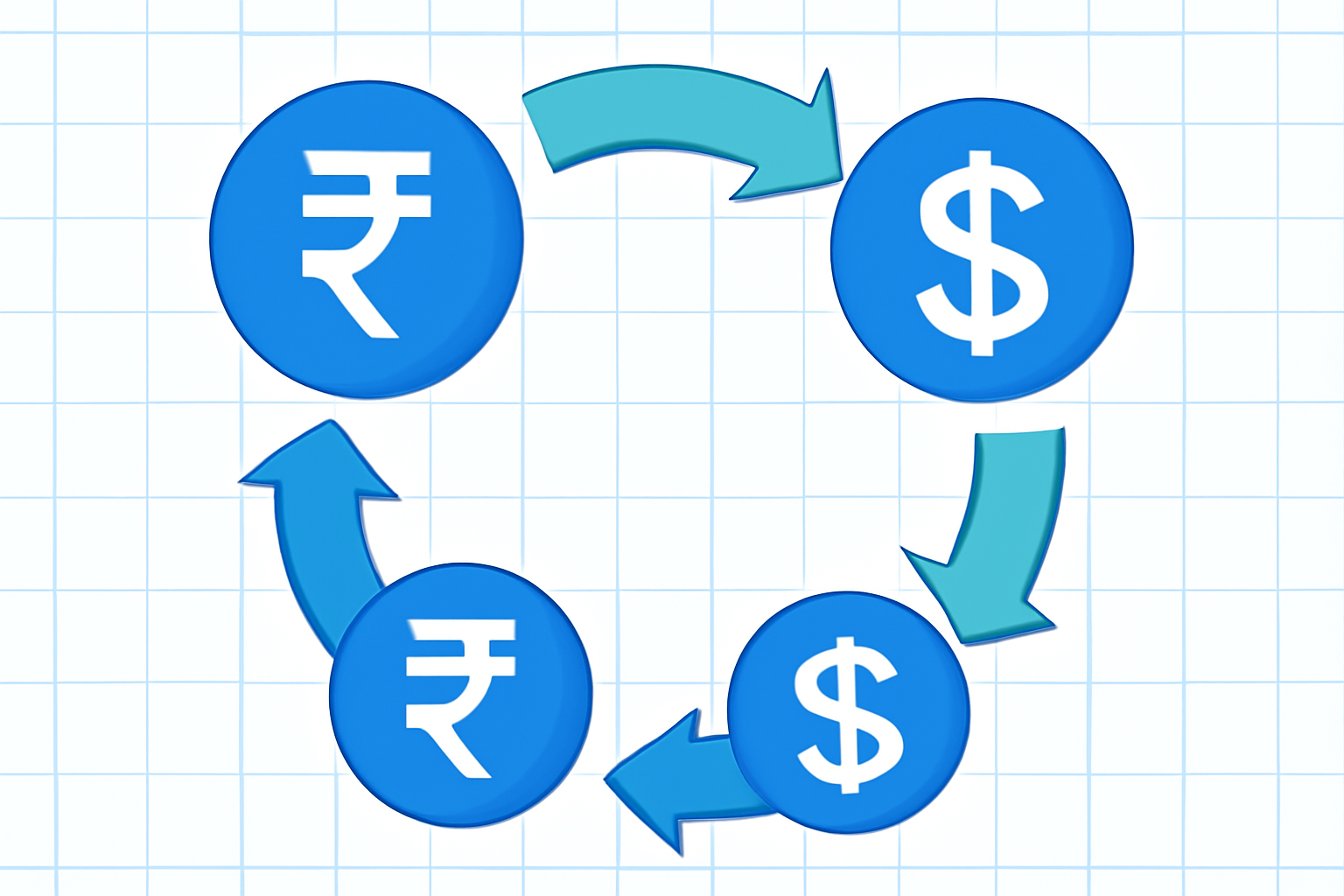 Instead of converting their entire savings at once, they purchased US dollars in quarterly installments starting two years before their son’s departure. This systematic dollar-cost averaging protected them when the rupee depreciated from ₹72 to ₹78 against the dollar during their planning period.
“We saved nearly ₹4.5 lakhs through phased currency purchases,” notes Mr. Malhotra, whose son attended University of Toronto.
Several families have also benefited from opening international bank accounts before departure. The Joshis established a checking account with an international bank that operated in both India and Canada six months before their daughter’s program began. This reduced transfer fees by approximately ₹85,000 over the course of her four-year program.
NRI fixed deposits and specialized education banking products have helped many families streamline cross-border financing. The Verma family utilized HDFC Bank’s education planning services to create a custom NRE account structure that simplified tuition payments while maximizing interest earnings during their son’s UK education journey.
Creative and Supplementary Funding Methods: Beyond Traditional Approaches
Employer Sponsorship and Corporate Programs
When Rahul approached his tech company about his dreams of pursuing an MS in Data Science abroad, he didn’t expect them to cover 60% of his tuition fees. The key? A thoughtfully structured return-to-work agreement committing him to three years with the company post-graduation. His manager saw the arrangement as an investment in specialized skills the company needed.
Successful negotiations with employers typically involve highlighting the specific value your education will bring back to the organization. Working professionals should prepare a detailed proposal showcasing:
- New skills alignment with company growth areas
- Competitors who have similar programs
- Flexible work arrangements during study periods
- Clear ROI for the company
Several Indian corporations now offer education assistance programs, particularly in IT, consulting, and banking sectors.
 Tata Consultancy Services, Infosys, Wipro, and ICICI Bank consistently rank among companies with structured study support programs. Many corporate education sponsorship programs remain underutilized because employees don’t know they exist or how to access them.
Family Resource Pooling: The Extended Support Network
The Kumar family demonstrates how creative financial collaboration can fund international education without study loans. Rather than borrowing from banks, they created a family financing circle. Grandparents contributed ₹15 lakhs from their retirement funds as interest-free loans, while uncles and aunts provided smaller amounts with flexible repayment schedules.
What made this approach successful was their formal documentation – a simple but clear family agreement specifying:

– Contribution amounts and sources
– Expected repayment timelines
– Contingency plans if repayment became difficult
This formalization prevented misunderstandings while maintaining family harmony. Additionally, they structured monetary gifts efficiently, utilizing the ₹50,000 annual tax-free gift allowance from multiple family members over several years before university applications began.
As advisors at Vrinda International often explain during Parent Consultation Sessions, family financial collaborations work best with transparent communication and proper planning.
Part-Time Work, Assistantships and On-Campus Employment
Ananya’s strategy of securing on-campus employment immediately upon arriving at her Canadian university dramatically reduced her financial burden. By working the maximum 20 hours weekly allowed on her student visa, she covered 40% of her living expenses throughout her program.
For graduate students, research and teaching assistantships represent the gold standard in funding. These positions not only provide stipends but often include partial or complete tuition waivers. Students in STEM fields typically find more opportunities, though humanities and social science positions exist too.
Vrinda International’s Pre-Departure Orientation includes critical information about navigating campus employment systems. We guide students on approaching professors before arrival and identifying departments with higher employment budgets. Our students receive tailored advice on securing international student work opportunities from day one, maximizing both income and valuable experience.
Crowdfunding and Digital Platforms
When traditional funding fell short for Sameer’s specialized music production program, he turned to crowdfunding. His compelling campaign on Ketto highlighted his musical journey through videos of his compositions and clear explanation of career goals, ultimately raising ₹7 lakhs from 200+ supporters.
Each platform offers different advantages for education campaigns:
- Ketto: Strong Indian user base, lower fees for education campaigns
- Milaap: Specialized in personal causes with strong verification processes
- GoFundMe: International reach for students targeting global donors
Successful education crowdfunding campaigns share common elements: transparent budgets, regular updates, and meaningful reward tiers for supporters. Students working with Scholarship Identification specialists at Vrinda International have found that campaigns focusing on specific educational components (research projects, specialized equipment) rather than general tuition perform better on crowdfunding education platforms.
Combining these supplementary methods with traditional funding approaches often creates the complete financial puzzle needed for studying abroad.